Back in the 90s, every packaging was a craft project. Milk cartons were turned into pen-stands, Pringles cans into kaleidoscopes, Coca-Cola bottles into backyard rockets… and that approach made a lot more sense than throwing packaging into the waste bin. We’d go out of our way to repurpose these objects, giving them a (sometimes unintended) second life. We don’t do that anymore because for the most part, brands don’t believe in fun packaging anymore. However, Yanlun Wu’s trying to reverse that approach.
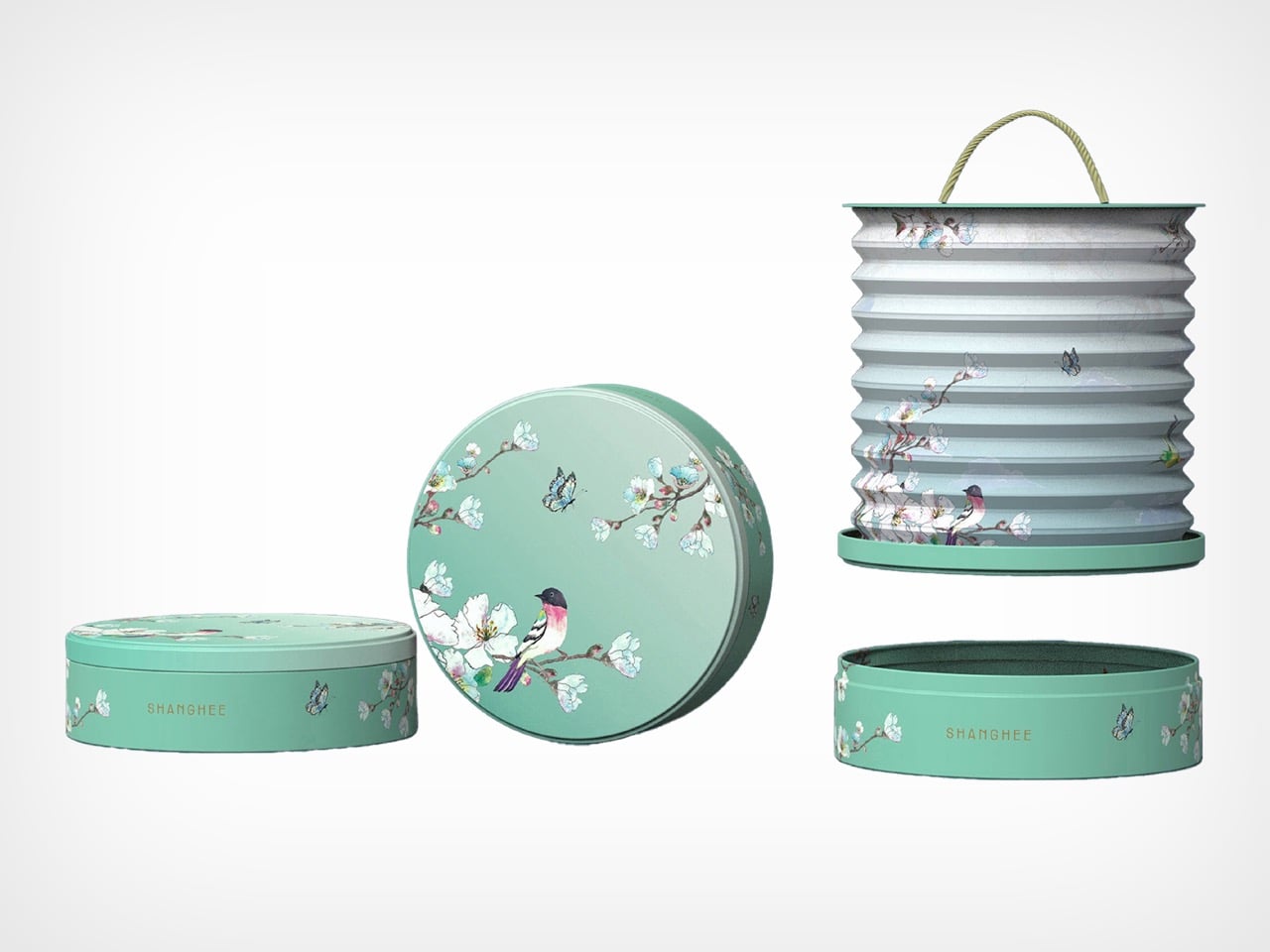
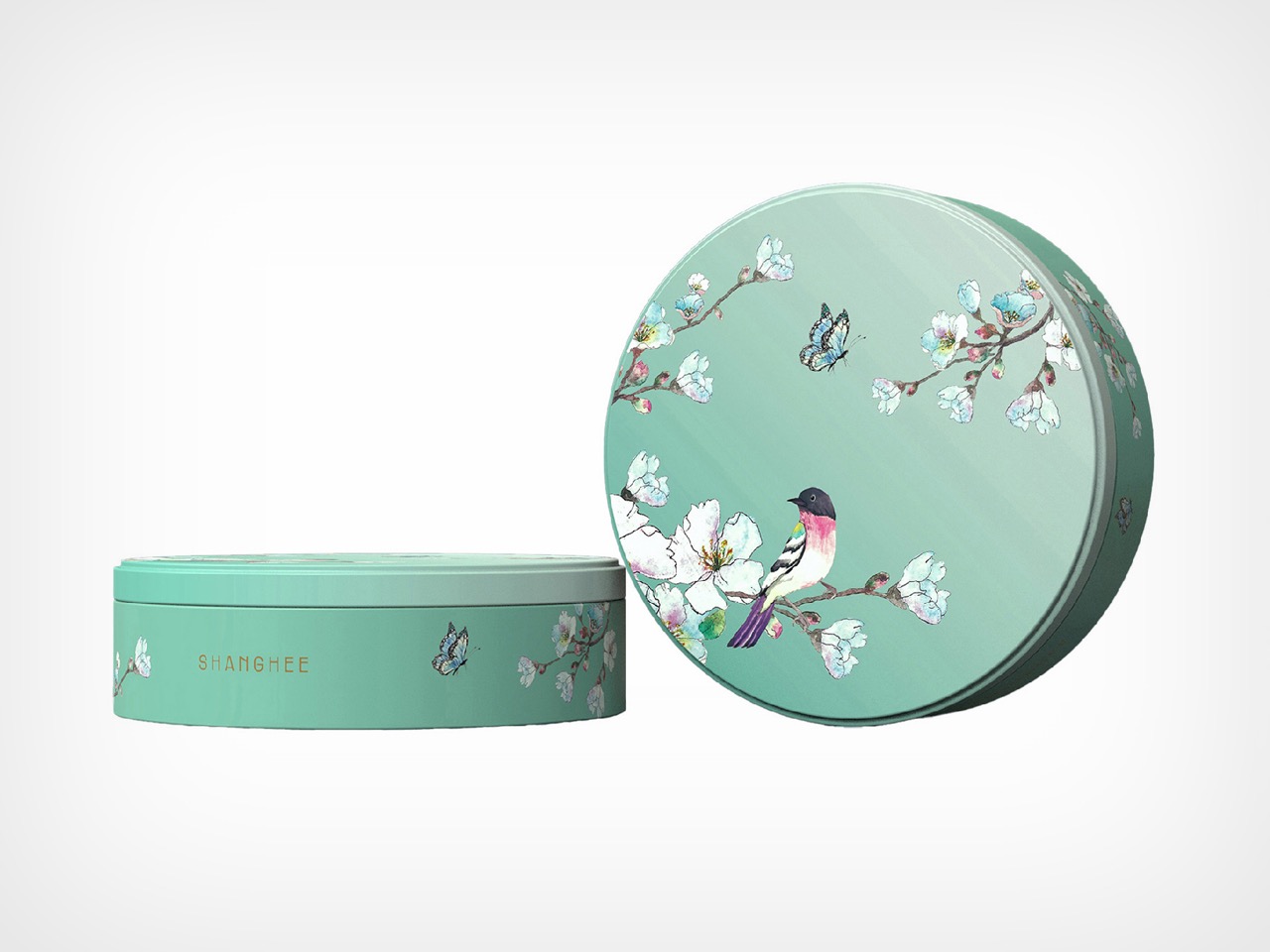
A winner of the , Wu’s packaging for traditional Chinese mooncakes looks like your standard tin box. With cultural elements evoking the beauty of the Mid-Autumn festival, this box forms an integral part of a ritualistic gifting experience, where you visit your loved ones with mooncakes, wishing them good health and prosperity. The packaging for a mooncake plays a simple dual-purpose role – it encases the cakes for safe transport, but it also serves as a visual signifier of quality – a good packaging is indicative of a well-thought gift. However, that dual-purpose role ends once the moon-cakes are consumed. Wu’s packaging, however, turns the lid of the mooncake box into a traditional paper lantern, giving it life even after you’ve consumed the dessert.
Designer: Yanlun Wu
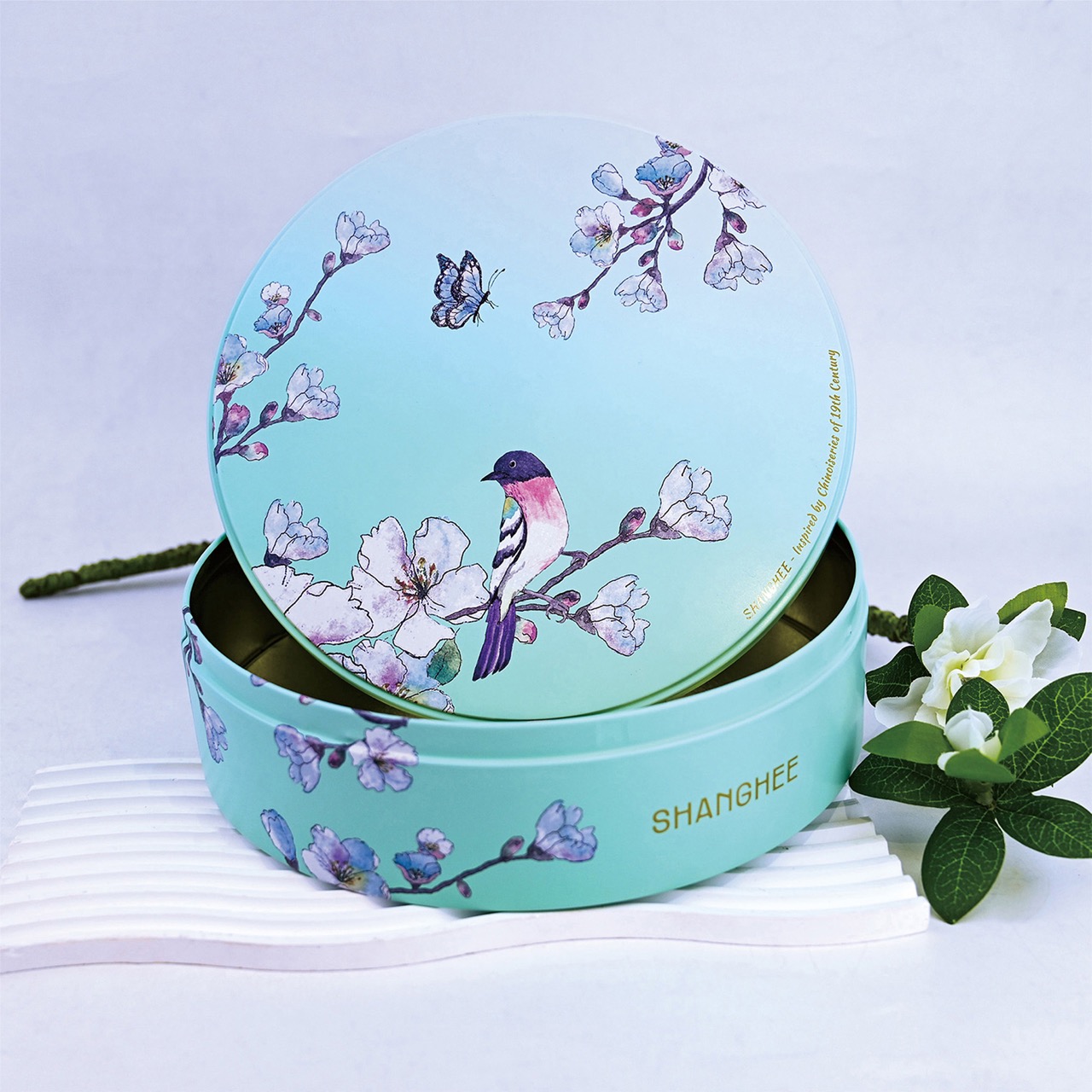
Lanterns form an integral part of the Mid-Autumn festival too. Apart from eating mooncakes, gazing at the moon, and bonding with family, people also light paper lanterns which are either hung outside houses, or sent cascading into the sky. Wu’s design aligns with the former. Each food-safe tin box comes with a lid that has a foldable lantern pressed into it. Once you’re done with the mooncakes, simply unfold the lantern and you’ve got a traditional keepsake that allows you to enjoy Wu’s packaging well beyond its original purpose.
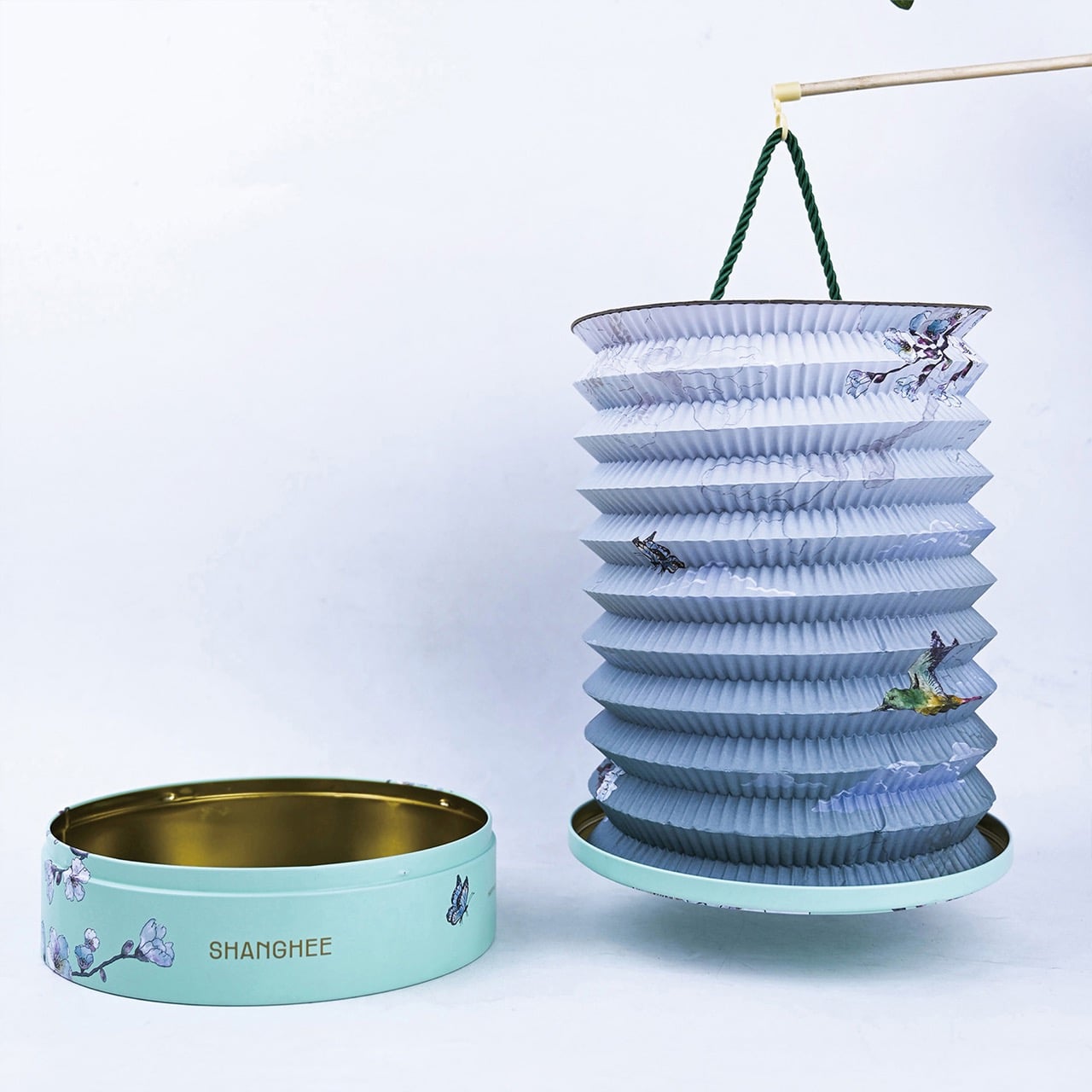
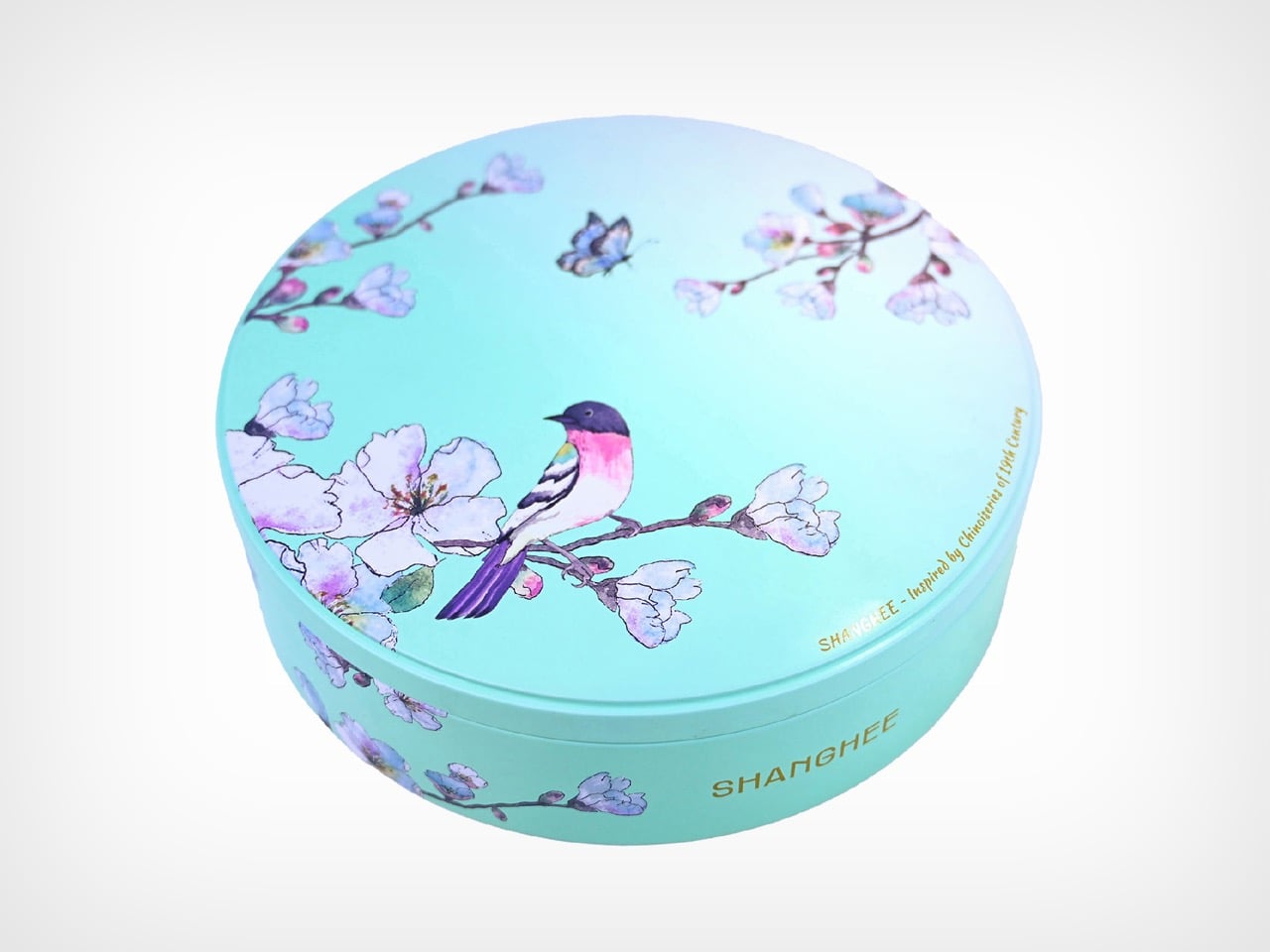
That’s the beauty of what Wu’s trying to achieve here – giving the package a third purpose and a second life. Each lantern comes adorned with traditional Chinese motifs that represent the Mid-Autumn festival. “This innovative dual-lifecycle design combats waste by turning disposable packaging into a lasting decorative object, seamlessly blending traditional Chinese mid-autumn symbolism with modern sustainable practice,” Wu says.
The post first appeared on .
Related Posts