How is architecture ? How should it be taught? These questions have a long and complicated history in the profession (or should it be vocation?) and, after decades of rapid change, are far from settled today. Just recently, for instance, the UK’s Architects Registration Board has announced plans for a radical overhaul of its existing three-part qualification process. As such a varied field demanding technical knowledge, aesthetic care, creativity and historical understanding, the question of how we ‘produce’ architects is a crucial and uncertain one.
The pathways of learning obviously have an enormous impact upon how architecture is practiced. Gerald Matthews has been around a little longer than Aiden Moon, who recently registered after studying at the University of Adelaide. The pace of change, however, has been such that even with a generation of experience between them, there are strong commonalities when compared with those who came before them both.

“The biggest change happened just before I entered university. In practice, the people I was trained by were proud of the fact that they didn’t go to university. Fundamentally, there is a huge philosophical difference in the way architecture was taught,” says Matthews. “This isn’t just an abstract field of intellectualism — it’s a hardcore, functional skillset.”
Moon adds to this: “Universities are looking more at the creative aspects rather than technical skills. As a graduate, one of the key things on my mind was the question, am I ready to enter the workforce?”
The point is not that creativity in architecture is misguided but, as Matthews puts it, “the challenge is how you can ever deliver the practical side within a university context.” The suggestion seems to be that architectural education and the passage from student to master needs to be hybridised — neither wholly intellectual nor technical, but a combination of all aspects of the field.
Related:

In terms of measurable repercussions for practice, a flawed system creates great inefficiencies. After a notoriously long period of study, prospective architects must then gain professional experience which necessarily involves teaching and professional development.
Why, Matthews asks, should these processes take place separately? Instead of each part lasting several years, perhaps they could be compressed, combined and streamlined. Matthews Architects already plans for several years of professional development when a graduate enters the practice.

Perhaps the classic topic of debate in architectural evolution is the hand-drawing. With rapid technological innovation, younger architects are finding themselves more comfortable in digital expression. “However,” Moon notes, “when it comes to face-to-face client meetings, there is no better way to express an idea or line of thinking than drawing it out with pencil in front of them.”
At the core of what Matthews and Moon are pondering is a holistic conception of architecture and the skills that go into it. Aesthetic inspiration, hand-drawing virtuosity, software abilities, theoretical understanding, construction knowledge — none of these alone is sufficient to create the well-rounded architect.
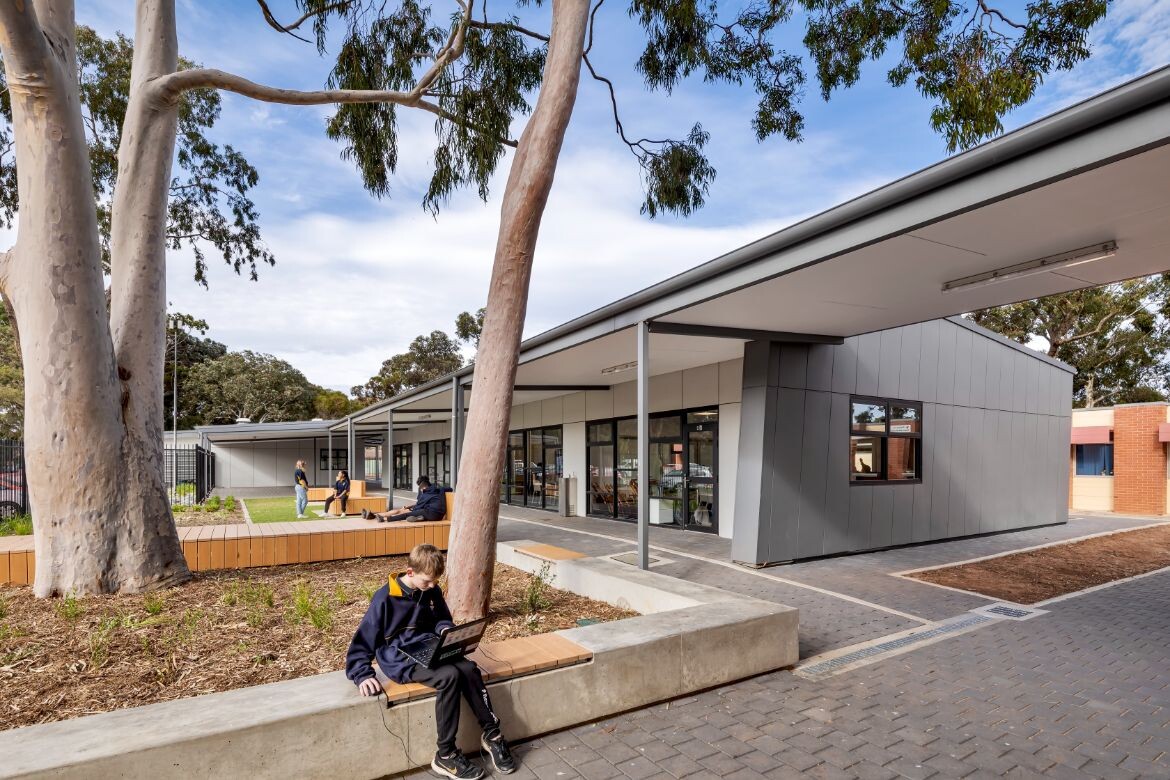
So how might Moon, in hindsight of his recent educational past, have done things differently? “I would have gone out to construction sites far more than I did at university. As a graduate coming into the workforce, you might be terrified of the things you don’t know but it’s about demystifying it so that you’re comfortable with what actually goes on.”
The experienced Matthews provides final thoughts for those entering the world of architecture: “Get to know the profession – skip past the veneer of how it’s portrayed and get to the reality of it. And develop curiosity!”
Matthews Architects



The post appeared first on .
Related Posts