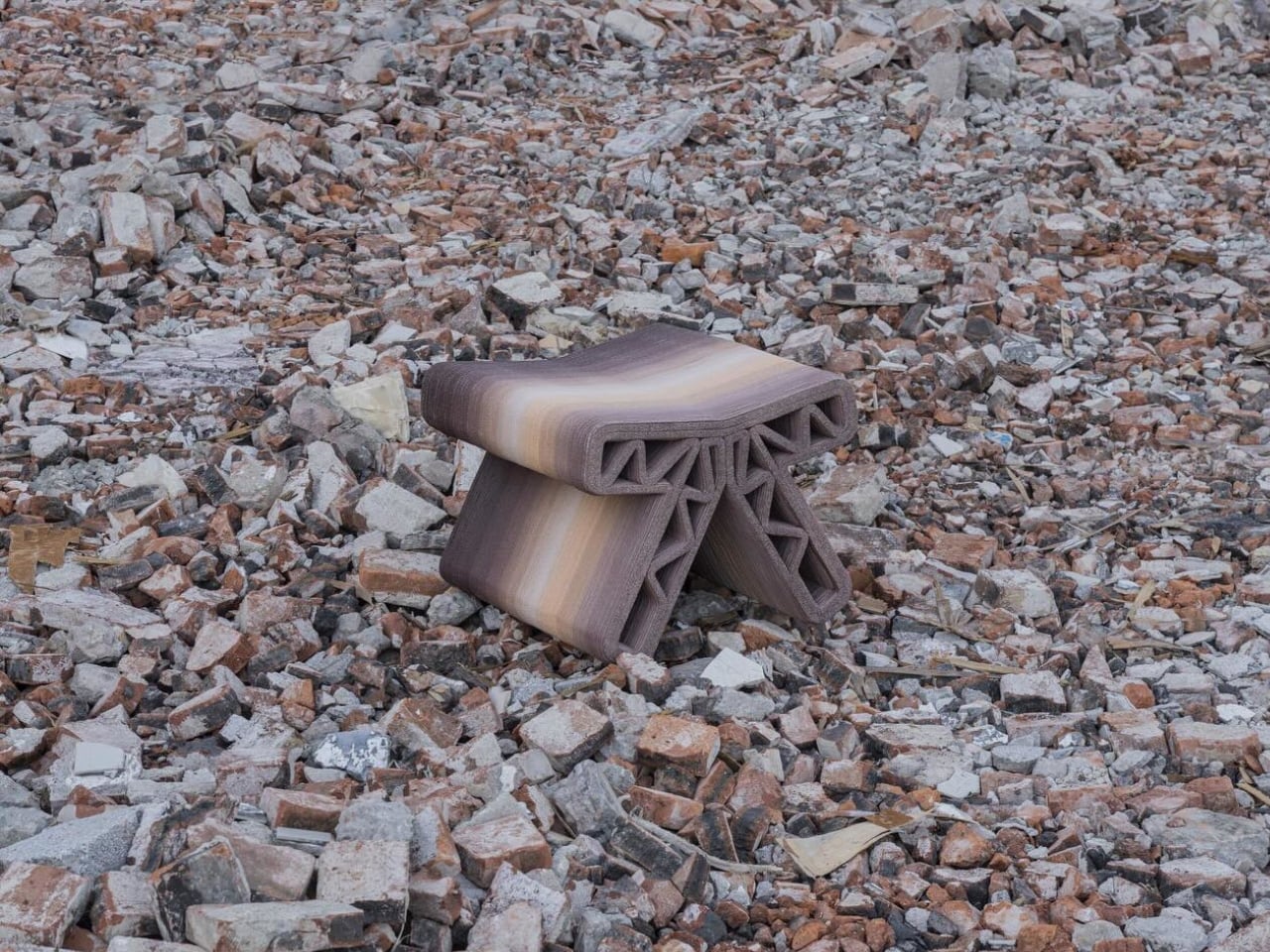
Every city has its ghosts. Not the supernatural kind, but the kind embedded in the physical memory of places that no longer exist. Buildings torn down, neighborhoods erased, whole communities swallowed by the machinery of progress, or something far worse. Right now, in more places across the globe than most of us are comfortable counting, cities are not being redeveloped. They are being destroyed. And the rubble left behind, whether from a wrecking ball or a warhead, raises the same uncomfortable question: what do we do with what remains?
Bentu Design looked at rubble and decided to make furniture. That might sound like an overly romantic read on what is essentially a waste management challenge, but the more you learn about their project “Inorganic Growth: The Regeneration of Urban Village Memory,” the harder it is to dismiss. This is not recycling for recycling’s sake. It is design with a philosophical spine, and right now, that spine feels more relevant than ever.
Designer:
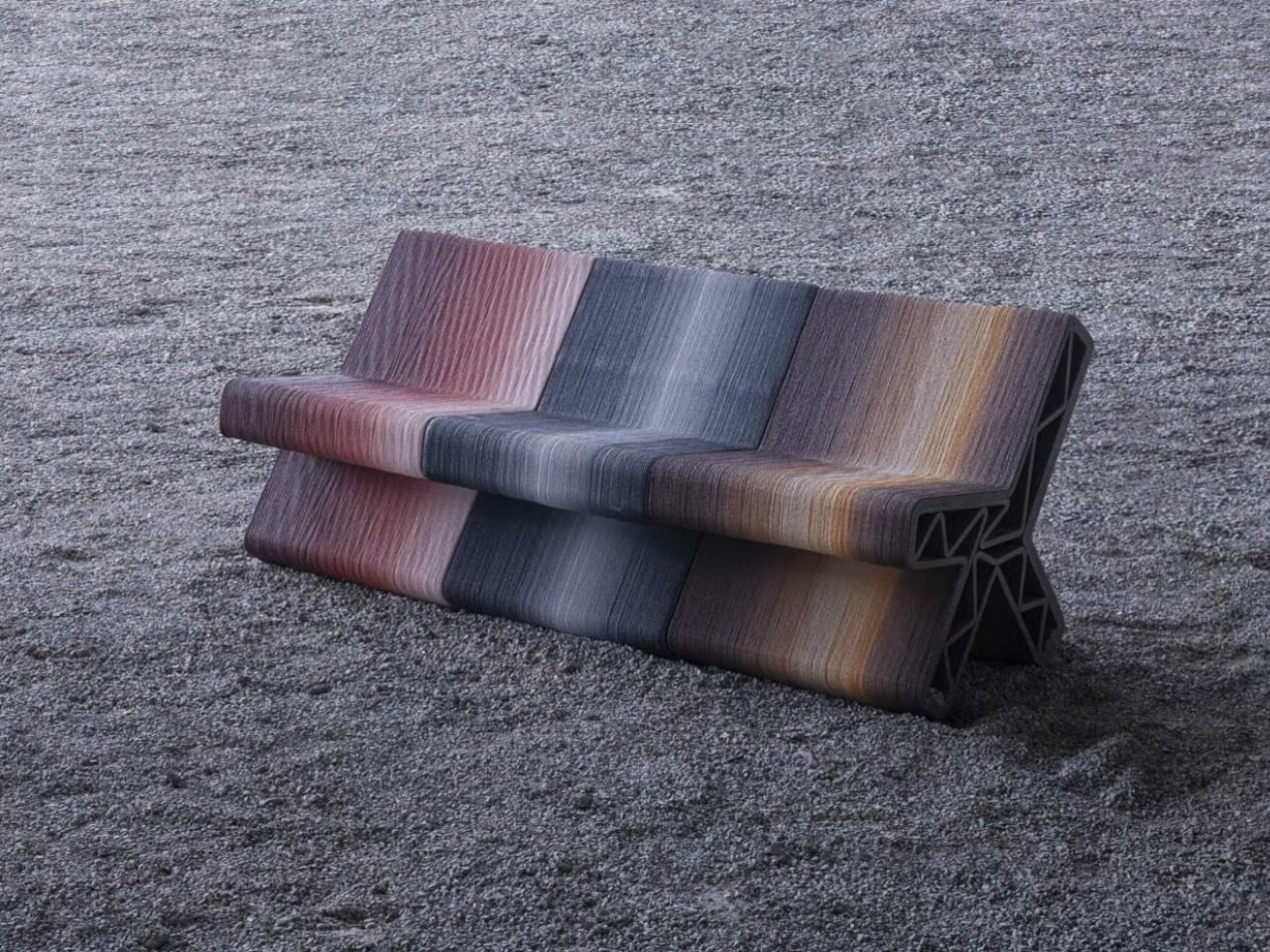
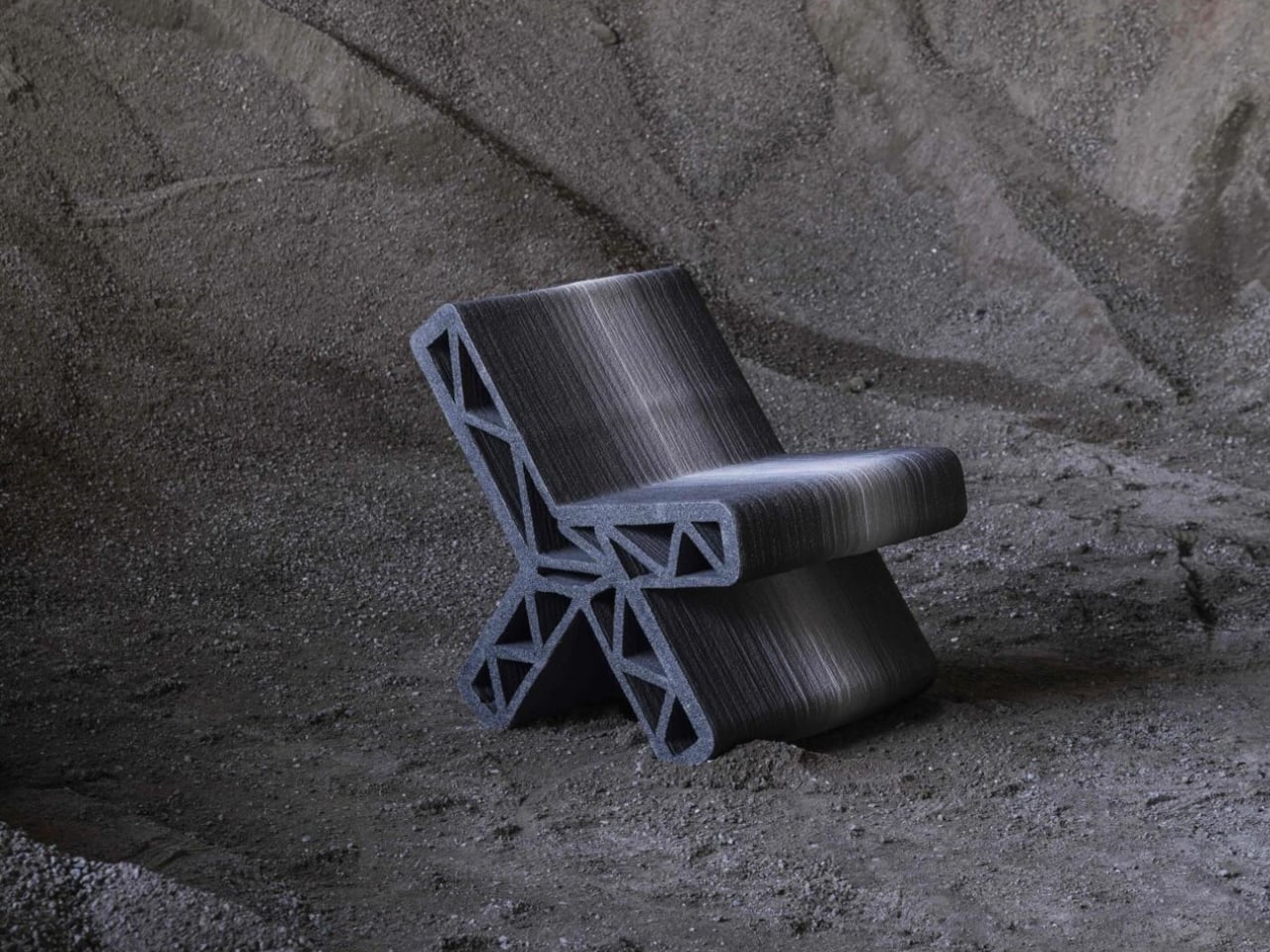
The concept begins with China’s urban village demolitions, where entire communities are cleared to make way for new development. The construction waste left behind, concrete fragments, red brick rubble, mortar dust, all the physical remnants of places that used to be someone’s home, is processed and reactivated into cement-based printable materials. The project achieves an 85% utilization rate of that solid waste. That figure alone is worth pausing on, because most recycled design projects deal in far smaller percentages and still get praised for it. Each piece of furniture is then built up layer by layer through large-scale 3D printing, giving it a textured, almost geological quality.
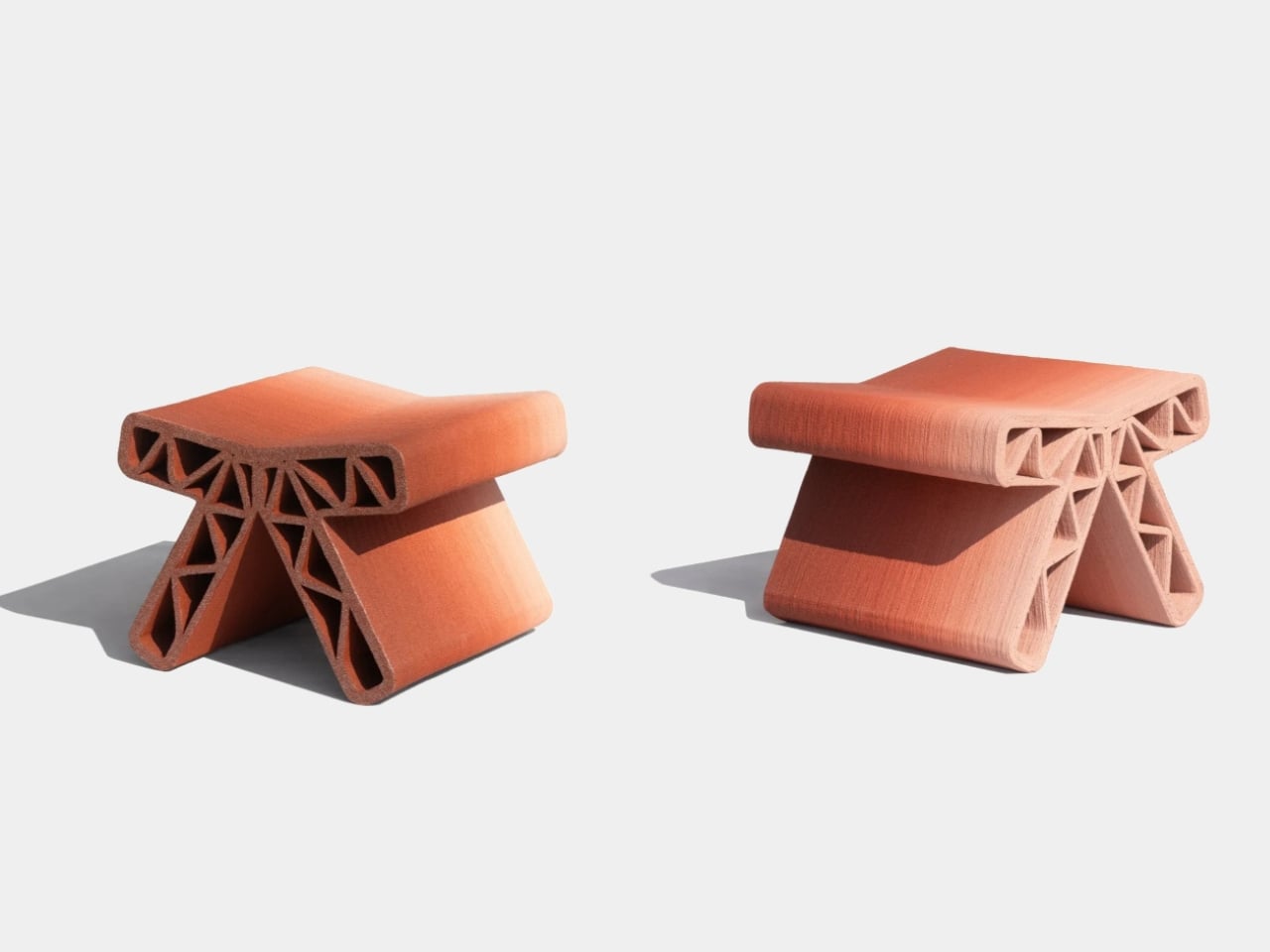
But the technical achievement is only half the story. Before a village is demolished, the team documents the site photographically. Those images are run through image-processing algorithms to extract the dominant color values of that specific place: the iron-red of old bricks, the cement-gray of crumbling walls, the muted green of weathered surfaces, the faded blue of glazed tiles. Those tones are built into a gradient control system that becomes the visual fingerprint of each piece. Every bench or chair carries not just the material of the place that was, but its palette. A gradient that encodes memory. A piece of public furniture quietly carrying the visual DNA of the neighborhood that once stood there.
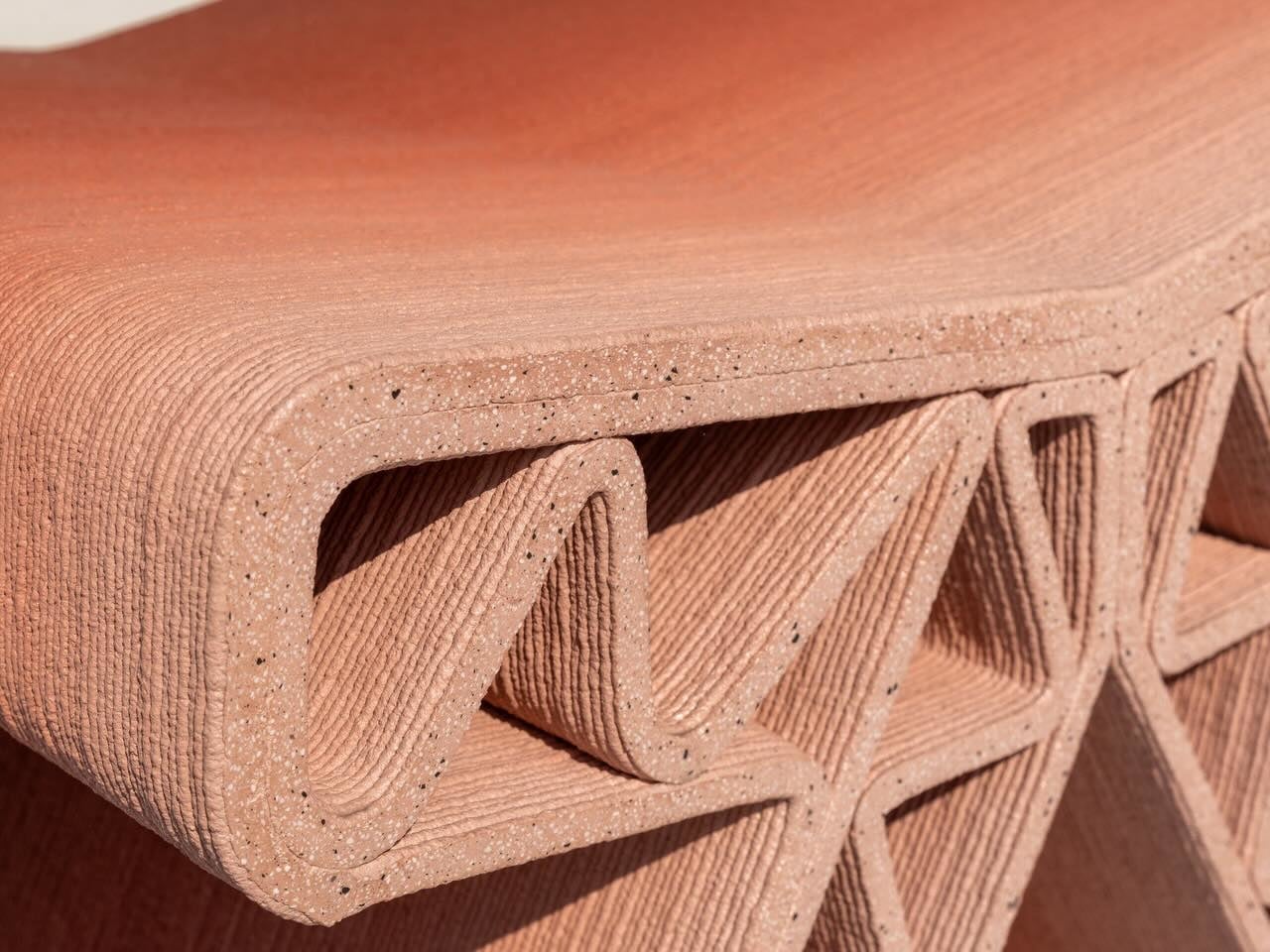
Most people walking past it will never know. But the furniture knows. I keep thinking about what this means in the context of the world we are actually living in right now. Mariupol. Gaza. Khartoum. Cities being reduced to the same concrete fragments and red brick rubble that Bentu Design scoops up and turns into something lasting. The scale of destruction happening globally is staggering, and designers are not exempt from sitting with that discomfort and asking what, if anything, we can actually do about it.
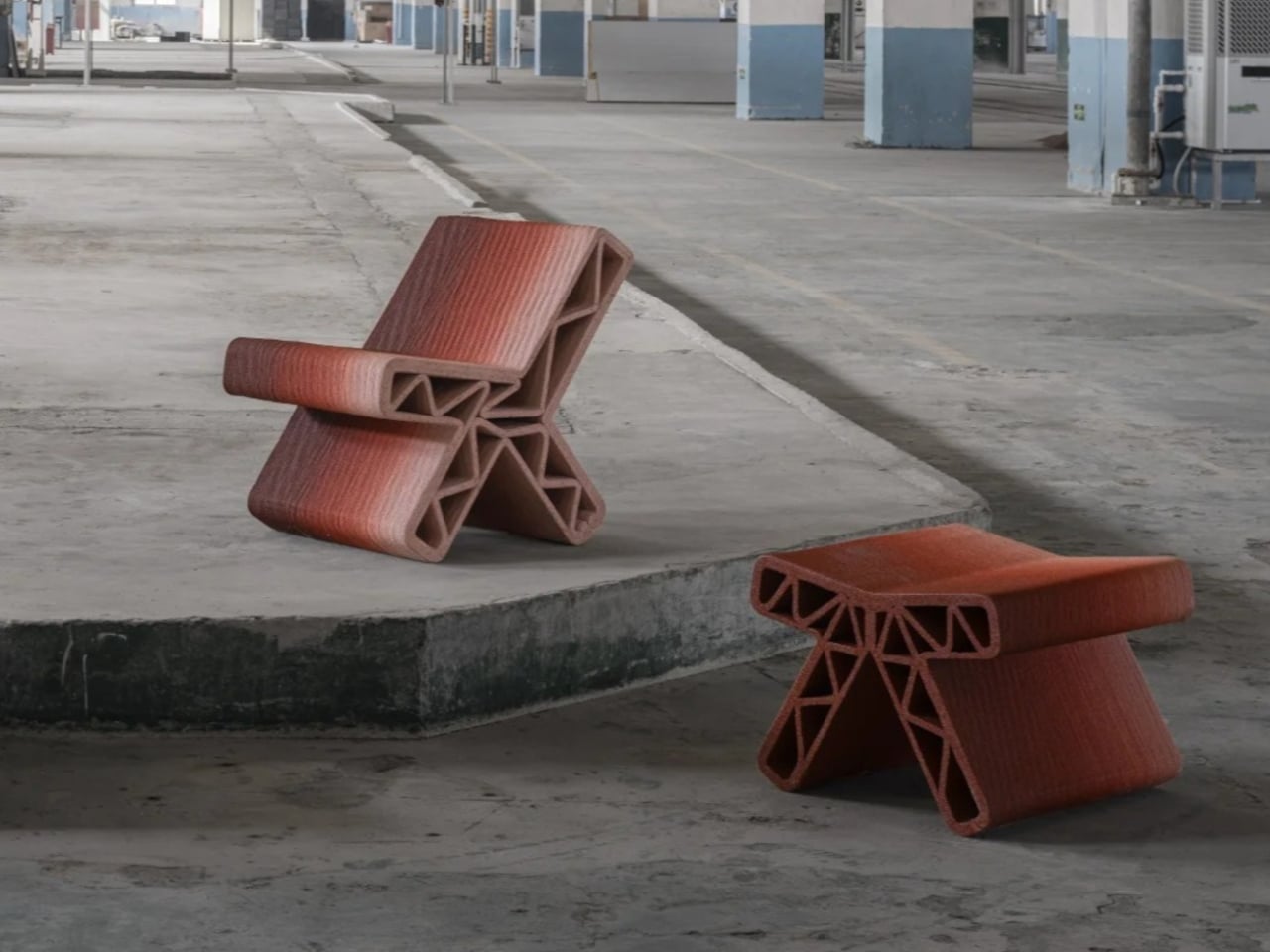
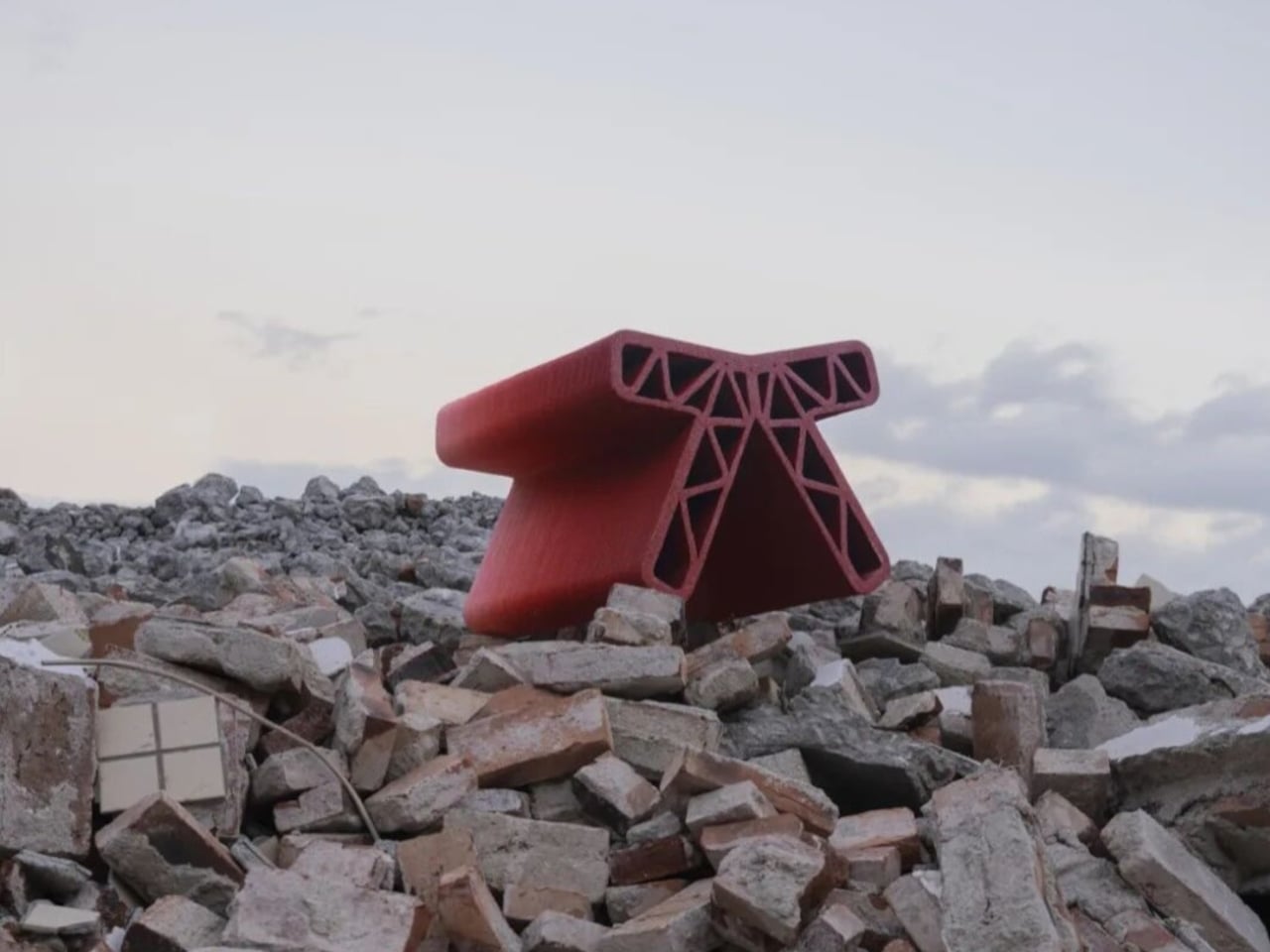
We cannot stop wars. We cannot reverse the decisions of governments or the momentum of military campaigns. But Bentu’s work quietly suggests that designers do hold something real: the ability to determine what erasure looks like, and whether it has to be total. There is an argument here that is worth taking seriously. When we choose to carry the material memory of a destroyed place forward rather than simply clearing it away, we are making a statement about whose history counts. That principle scales. It applies to a demolished village in Shenzhen. It applies to a flattened street in Kharkiv.
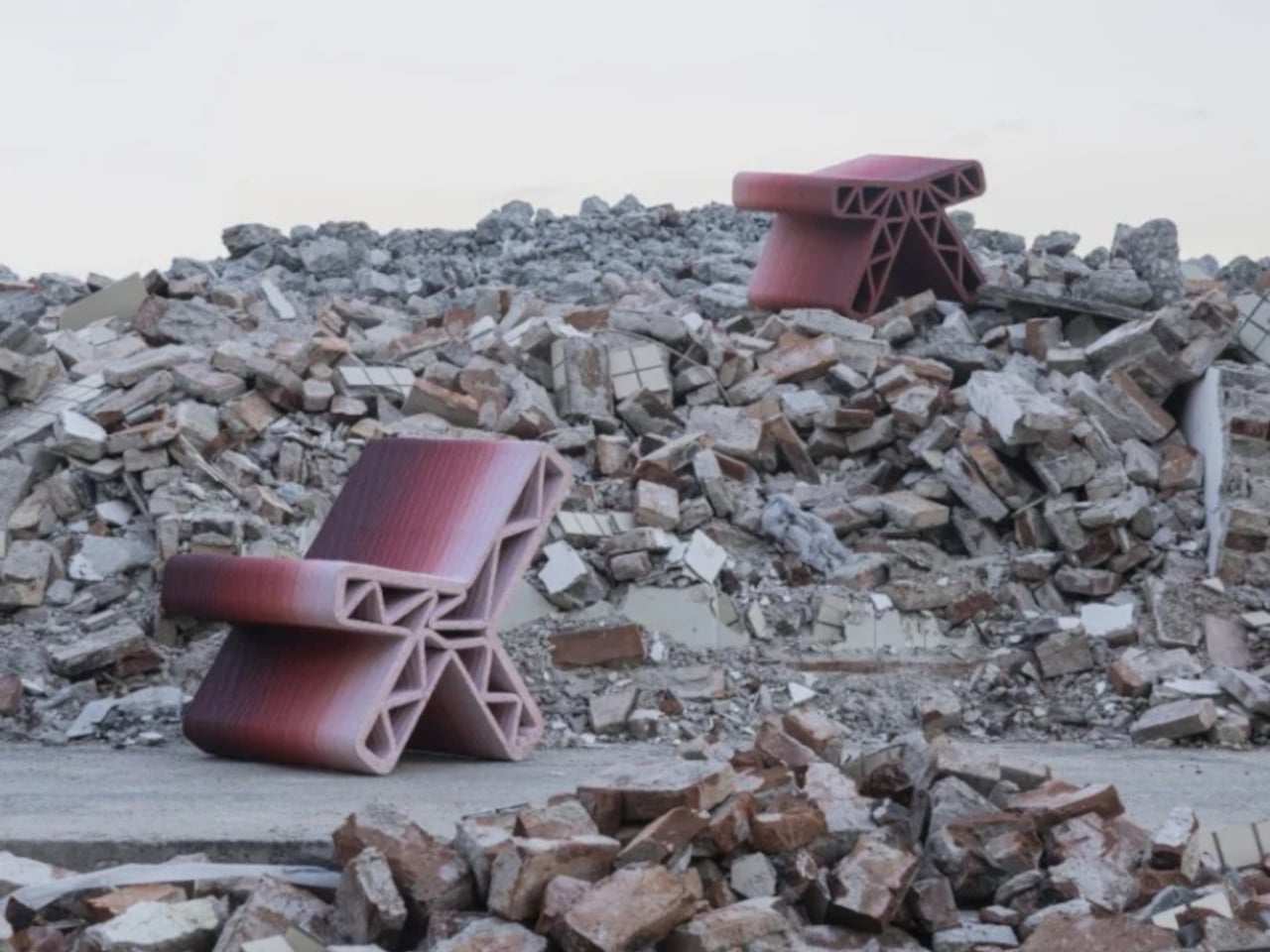
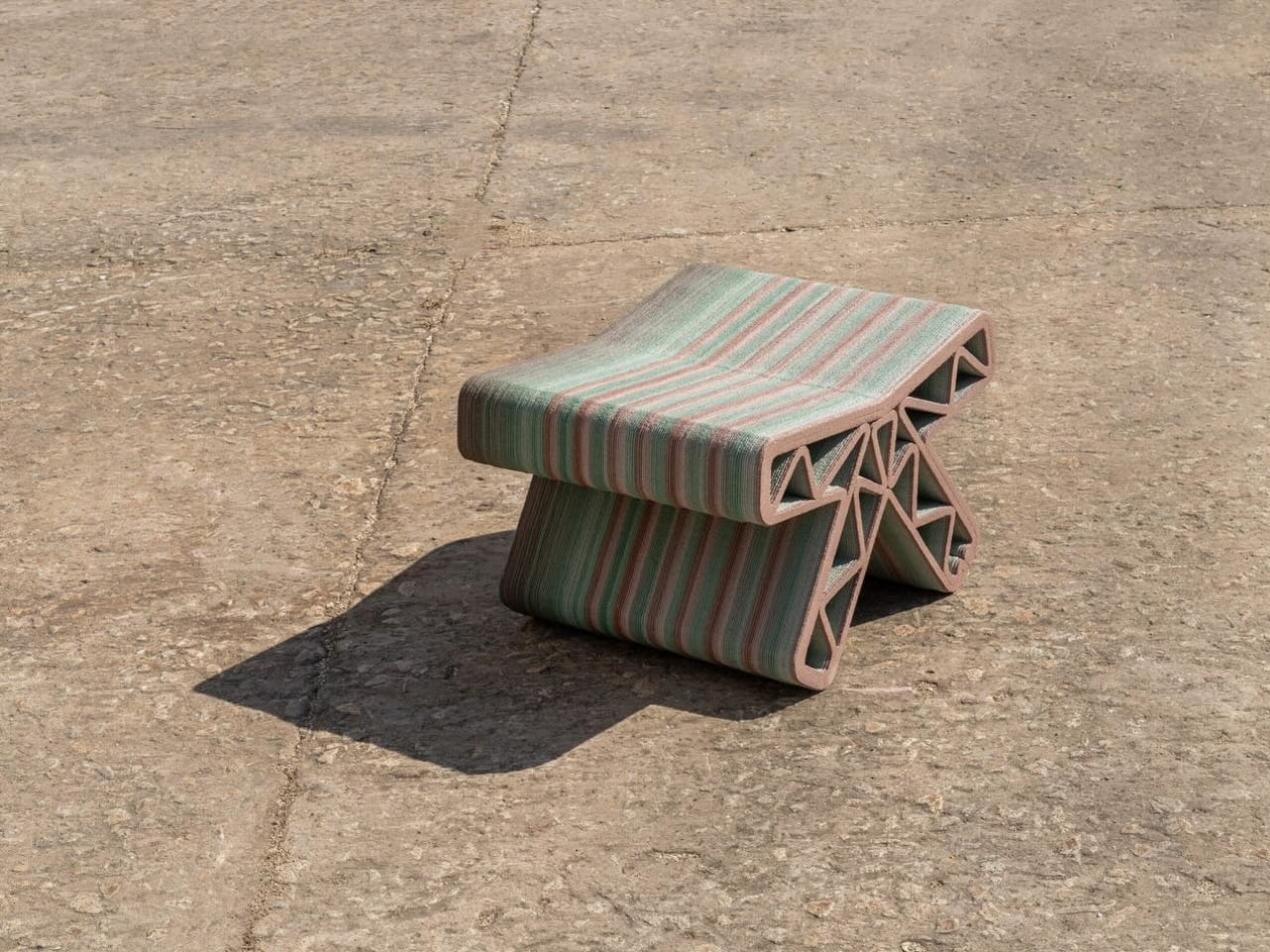
Design, at its most serious, is always making choices about what to remember and what to let disappear. “Inorganic Growth” chooses remembrance without sentimentality, using technology as the medium and rubble as the message. That feels like the right posture for designers to hold right now: not paralysis, not performance, but a steady insistence on making things that refuse to forget. Some benches just hold your weight. These ones hold an entire neighborhood’s last breath.
The post first appeared on .
Related Posts