The modern office has a peculiar way of clinging to inefficiencies. Lights stay on in empty conference rooms, HVAC systems blast cool air over unoccupied desks, and hybrid work schedules turn entire floors into ghost towns. Logitech’s Spot sensor claims to fix that—an unassuming puck-shaped device packed with mmWave radar, designed to detect human presence and optimize energy consumption. It sounds like a pragmatic upgrade, but when a device is built to track movement at all times, the question isn’t just what it can do, but who it ultimately serves.
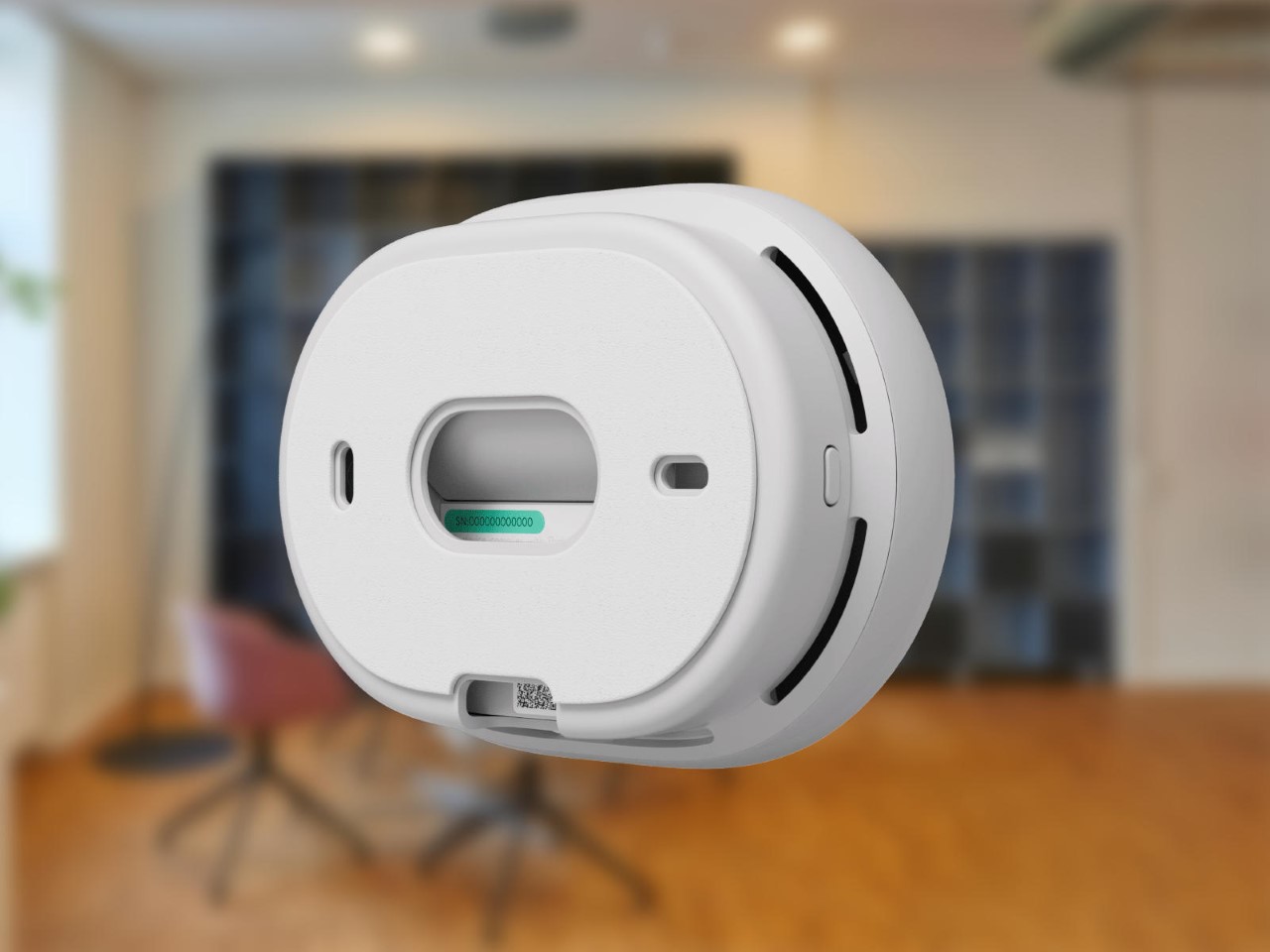
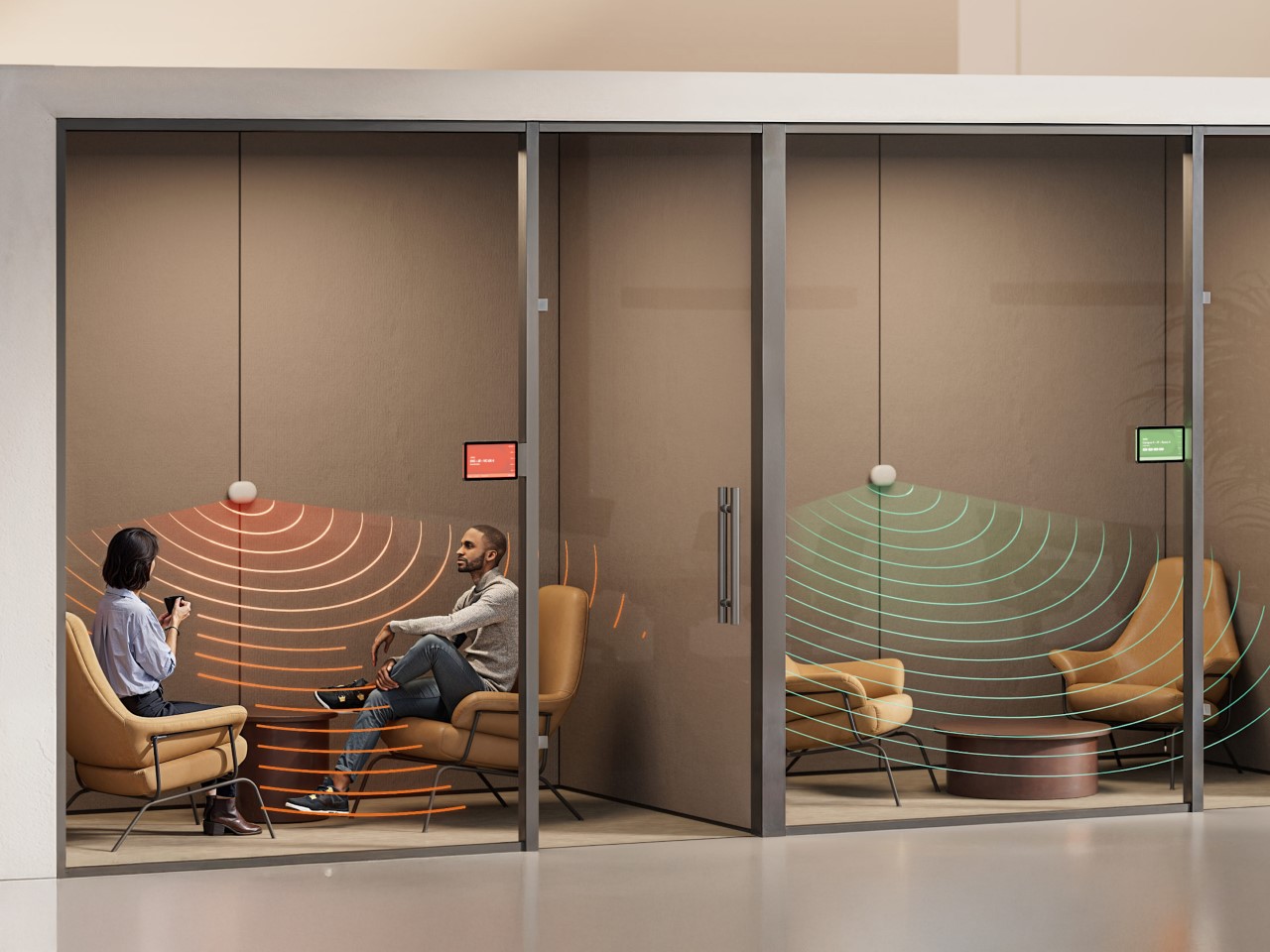
In essence, Spot is a spatial awareness tool (not the kind of ‘spatial’ that Apple talks about). Unlike traditional motion sensors, which rely on infrared or basic heat detection, mmWave radar allows Spot to detect even the smallest movements—breathing, slight shifts in posture, the restless tapping of fingers on a desk. This makes it vastly more accurate than older tech, which often misfires when someone sits too still. The device feeds this data into Logitech’s office management platform, providing real-time insights about occupancy. Lights, ventilation, and other smart systems can then adjust dynamically, reducing waste in spaces that aren’t actually being used.
Designer:
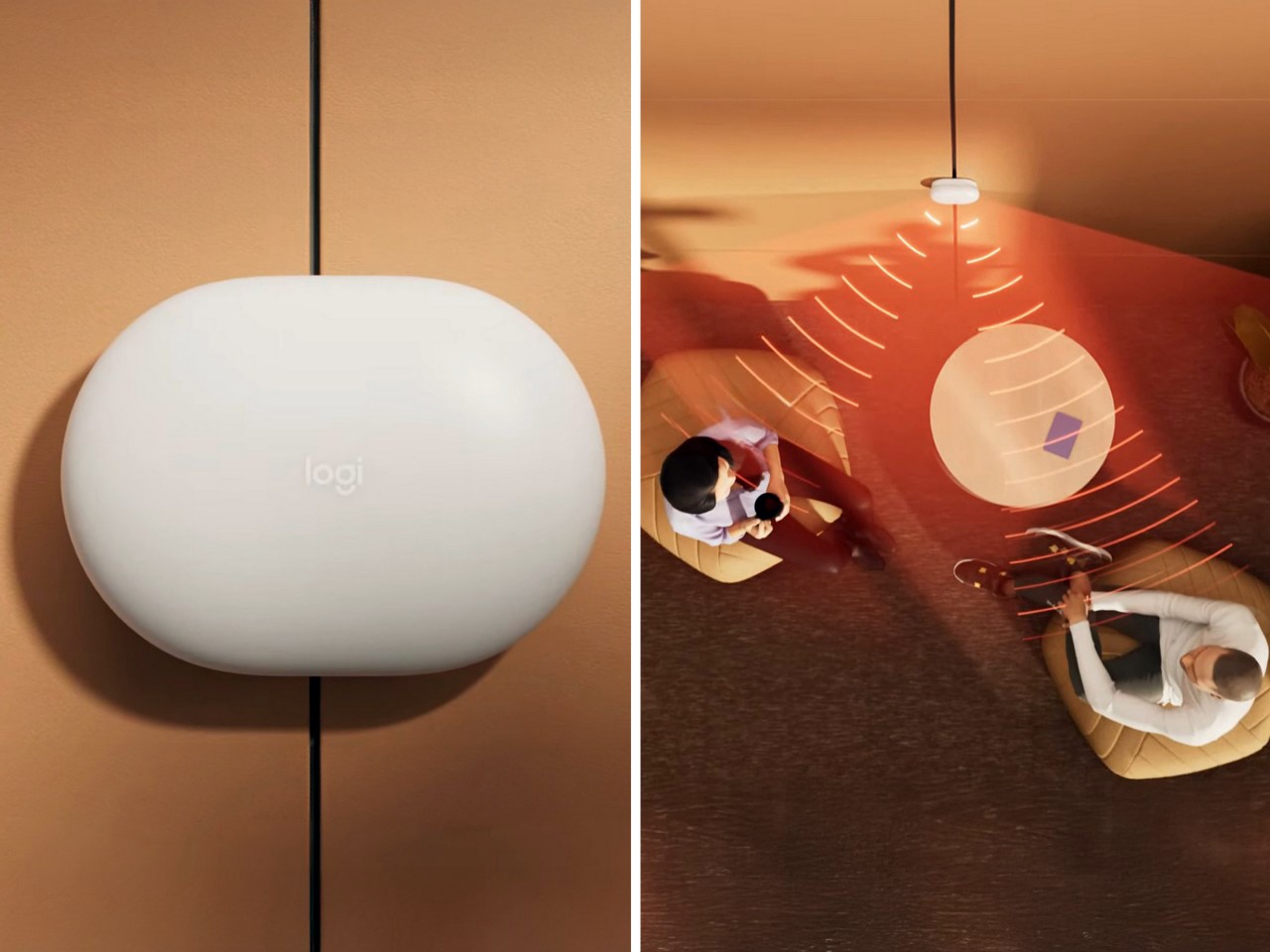
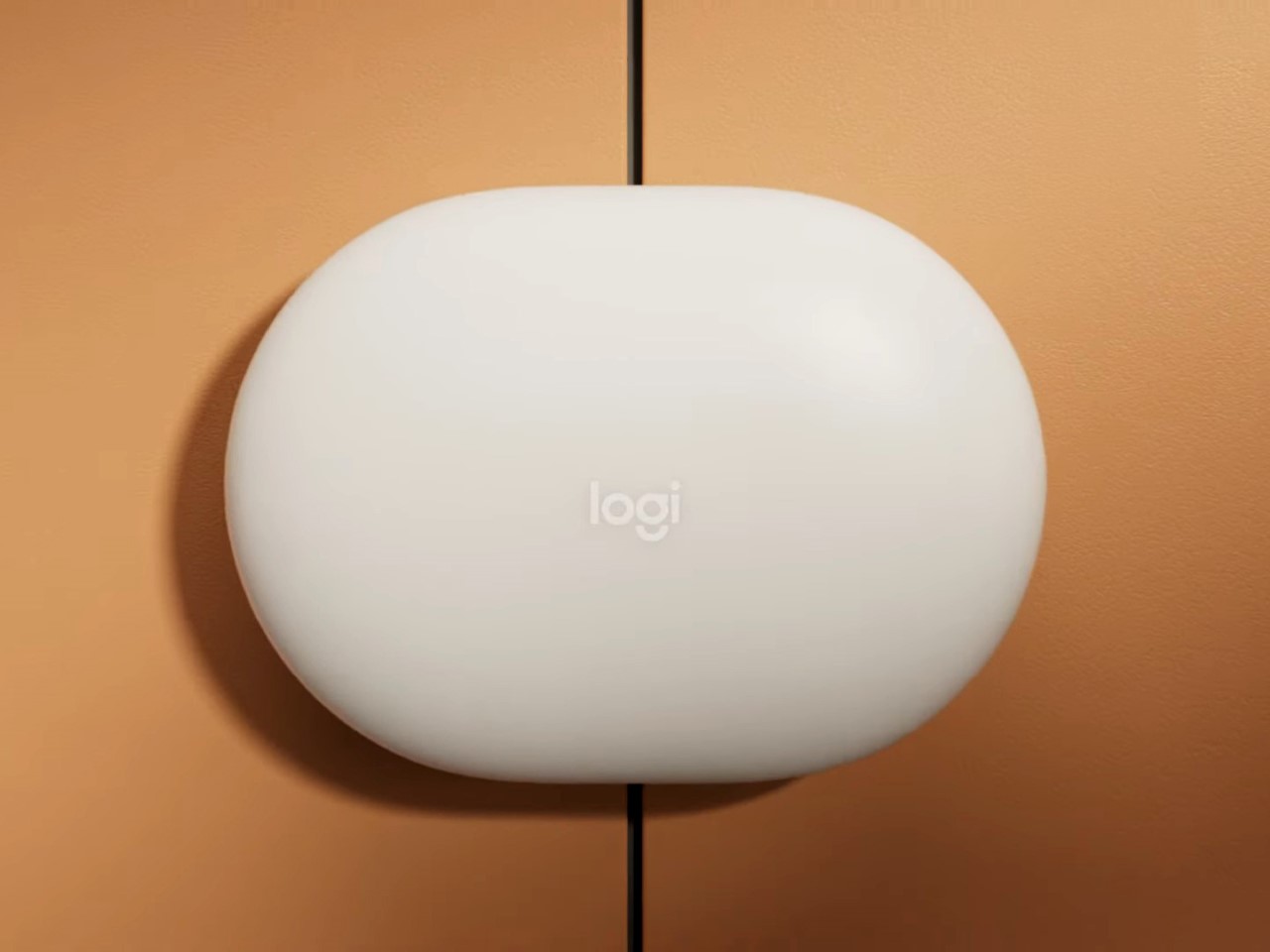
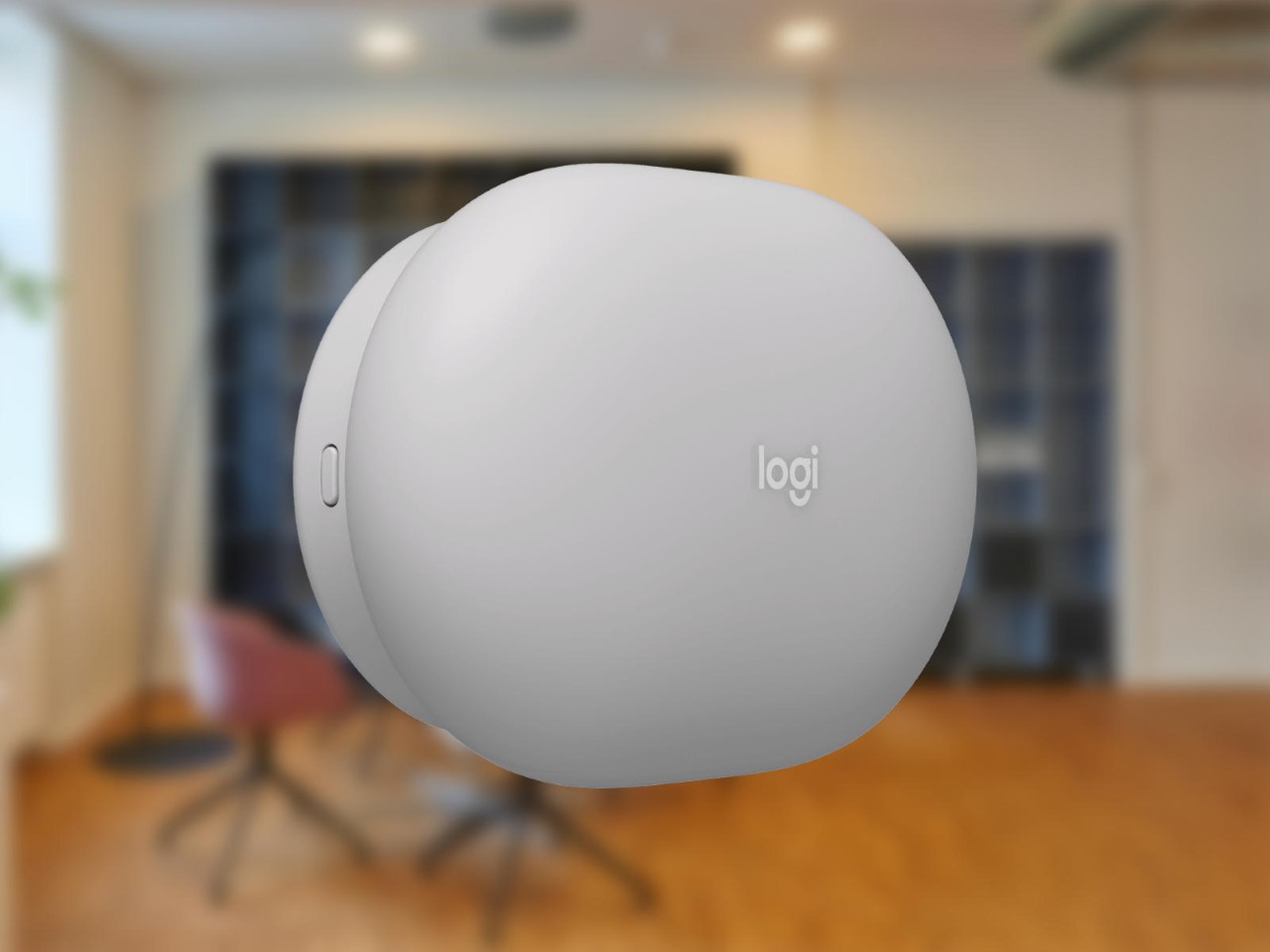
In theory, this is great. Offices hemorrhage money on unused space, and anything that reduces waste is a win. The hardware itself is sleek, unobtrusive, and entirely wireless, running on Bluetooth and Thread, with a promised battery life of up to four years. It doesn’t use cameras or microphones, which makes it less invasive than the surveillance tools that companies quietly deploy under the guise of productivity tracking. But here’s where things get murky—just because a device isn’t *overtly* spying on you doesn’t mean it isn’t feeding data into a broader ecosystem that can be used in ways employees might not fully grasp.
The rise of “smart” offices often parallels a rise in employer oversight. The same infrastructure that powers energy efficiency can easily be repurposed for monitoring work habits. If a system knows when a meeting room is occupied, it also knows how long people spend in it. If it tracks desk occupancy, it can reveal attendance patterns. Even if Logitech swears up and down that Spot is about sustainability and nothing else, data has a way of becoming useful to those looking for patterns—managers, landlords, HR departments.
This is where corporate efficiency starts to blur into something else. On one end, a company might use Spot’s data to adjust real estate investments—scaling down leased space based on actual occupancy. That’s a rational use case. On the other, the same data could be weaponized against employees, subtly influencing return-to-office policies or flagging “underutilized” desks. It’s easy to imagine a scenario where your absence from a workstation becomes a point of discussion, not because a boss is watching you, but because the system quietly logs every fluctuation in space usage.
The irony is that the same technology that promises to streamline workspaces could also contribute to their slow demise. If hybrid work continues to dominate, sensors like Spot might end up proving that offices are redundant. Real estate firms are already bracing for a reckoning as occupancy rates stagnate, and if data-driven insights confirm that companies don’t need the square footage they once did, landlords will be the ones scrambling for solutions. In that sense, Spot could be an accelerant—giving businesses the justification they need to downsize for good.

To Logitech’s credit, the company has positioned Spot as a tool for efficiency, not surveillance. There are no direct integrations with employee monitoring software, no granular tracking tied to individuals. The fact that it relies on radar instead of cameras is a crucial distinction—one that at least suggests a baseline respect for privacy. But technology rarely exists in a vacuum. Even if Spot itself doesn’t cross ethical lines, it contributes to a broader culture where data collection is increasingly normalized, where presence detection subtly shifts from convenience to expectation.
If you strip away the corporate implications, Spot is an objectively solid product. It’s compact, well-designed, and technologically impressive. It does what it’s supposed to do, and it does it better than most alternatives. And if companies deploy Spot responsibly (that’s a big IF) – transparently sharing its purpose, keeping employee data anonymized, and using it strictly for resource management — it could be a meaningful step toward making offices more sustainable without compromising trust. The push for efficiency doesn’t have to come at the cost of autonomy, and in the best-case scenario, tools like this could help build smarter workplaces that respect both people and privacy. Whether businesses choose to use it that way is another question entirely.

The post first appeared on .
Related Posts