Retro gaming has inspired countless recreations over the years, but most focus on replicating the original hardware with faster processors or modern conveniences. Wenting Zhang’s latest experiment takes a completely different route by pairing a classic Game Boy emulator with an E Ink display, an unlikely combination that overcomes one of the technology’s biggest limitations. Instead of accepting the sluggish refresh rates typically associated with E Ink, Zhang engineered a solution capable of delivering gameplay at a remarkably smooth 60Hz, creating a handheld that feels far more responsive than its paper-like screen would suggest.
The dubbed PaperBoy S3 is built around the discontinued M5Stack PaperS3 development kit. The compact board combines an ESP32-S3 dual-core microcontroller with a 4.7-inch 960 x 540 E Ink touchscreen, hardware originally intended for smart home controls, electronic labels, and educational projects rather than gaming. By transforming this inexpensive development platform into a functional emulator, Zhang demonstrates just how much untapped potential still exists in low-power embedded hardware.
Designer: Wenting Zhang
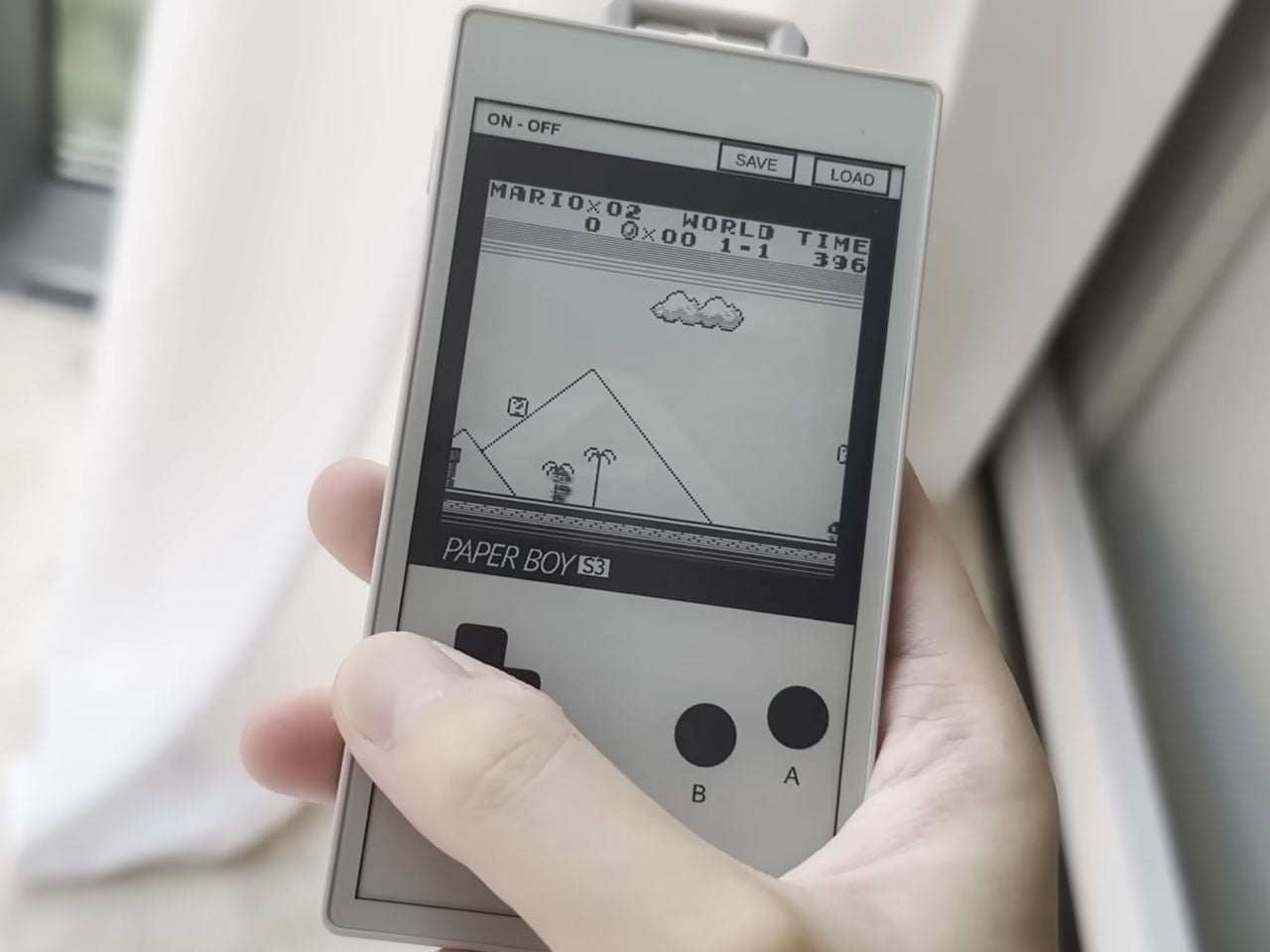
Achieving playable performance required much more than simply running emulator software. Traditional E Ink displays rely on slow waveform updates that prioritize image quality over speed, making them unsuitable for fast-moving graphics. Zhang bypassed this limitation by taking advantage of PaperS3’s raw row-and-column display interface, allowing him to implement a custom driver that performs rapid partial screen refreshes. Instead of refreshing the entire display every frame, only the active gameplay area is updated, dramatically reducing latency while maintaining recognizable grayscale visuals.
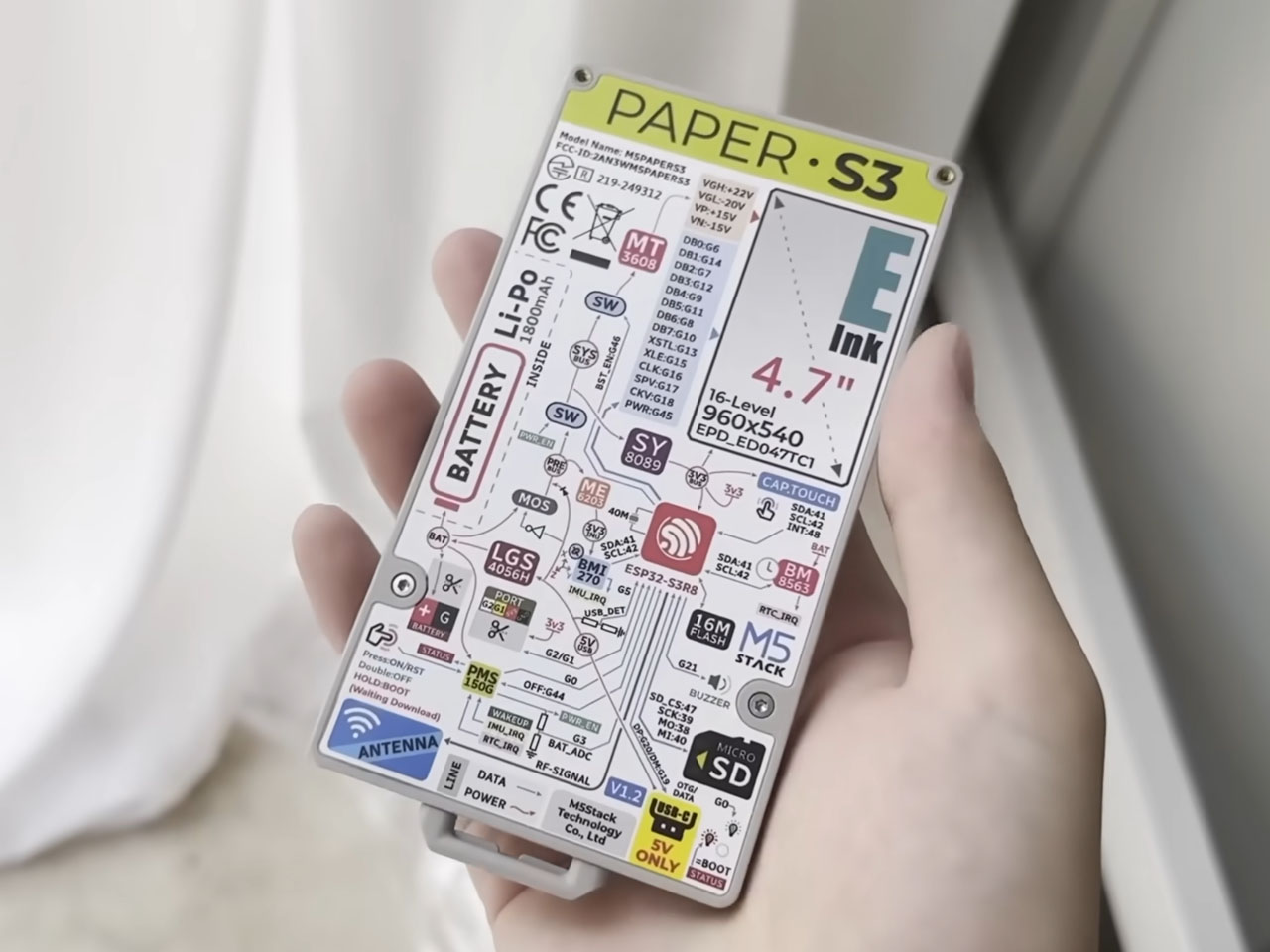
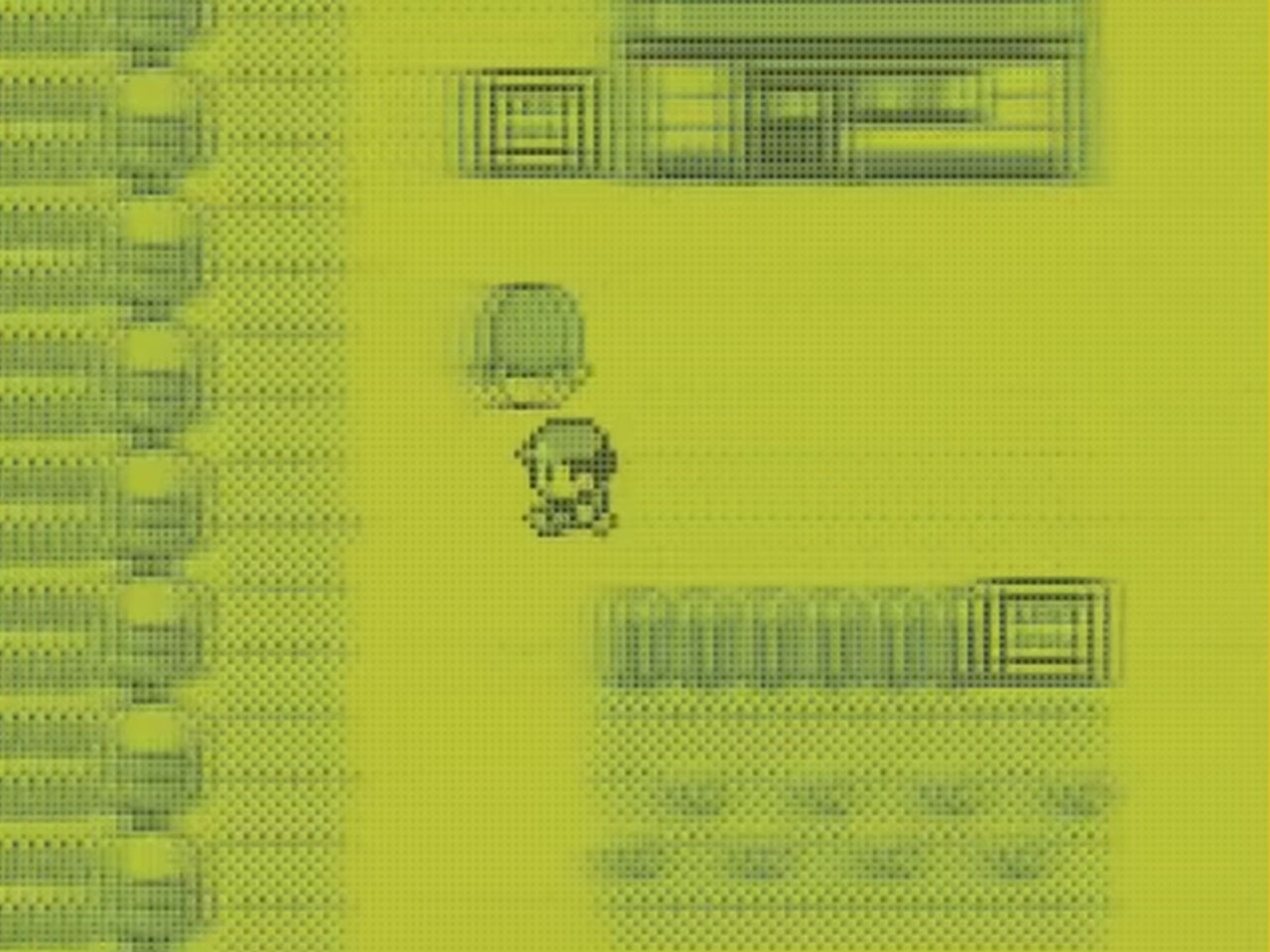
The original Game Boy’s modest 160 x 144-pixel resolution also works in the project’s favor. Rather than driving the display at its full native resolution, the emulator scales the Game Boy image while processing only a small portion of the screen. Multiple frame buffers fit directly into the ESP32-S3’s SRAM, enabling much faster rendering than would otherwise be possible. Zhang also applies intelligent dithering techniques to recreate the Game Boy’s four shades of gray, preserving the familiar look of Nintendo’s iconic handheld on an E Ink panel.
The ESP32-S3’s dual-core architecture plays an important role in maintaining performance. One processor core is dedicated to Game Boy emulation while the other handles video rendering and audio tasks, pushing the inexpensive microcontroller close to its limits. Despite the constrained hardware, classic titles such as Pokémon Blue, Super Mario Land, and The Legend of Zelda: Link’s Awakening remain highly playable, proving that smooth retro gaming does not necessarily require powerful silicon.
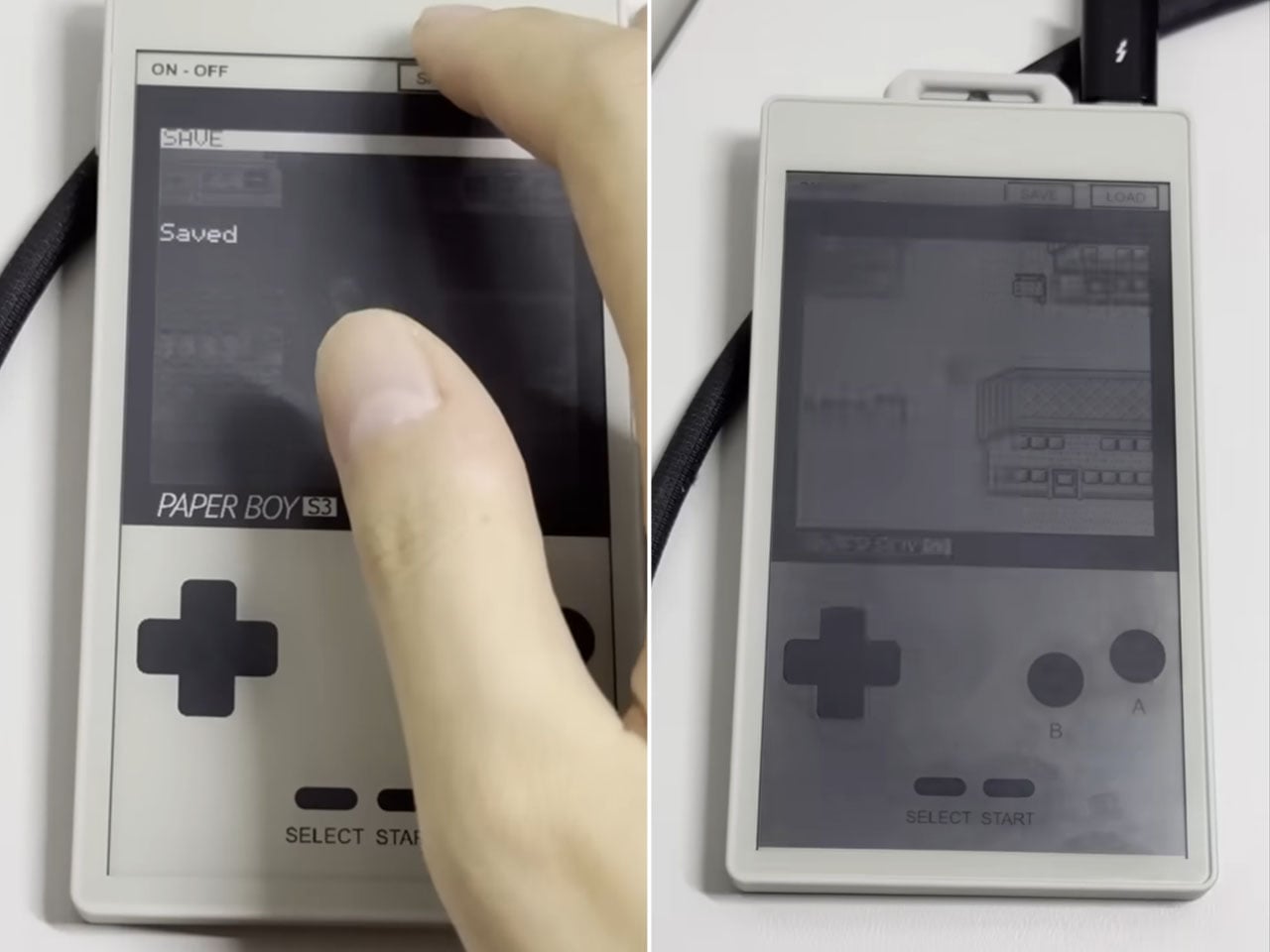
PaperBoy S3 also includes several thoughtful quality-of-life features. Bluetooth controller support offers an alternative to touchscreen controls, while quick-save and quick-load functions make it easier to jump in and out of games. Audio remains the biggest compromise because the development board lacks dedicated sound hardware, forcing Zhang to rely on the built-in piezo buzzer to approximate the Game Boy’s music and sound effects. The results are far from perfect, but they remain recognizable enough to complement the nostalgic experience.
The post first appeared on .
Related Posts