Satellite connectivity used to be reserved for phones, off-grid communicators, and specialized outdoor gear. Now it is showing up in far smaller devices, and Fi Ultra pushes that trend into pet care. The tracker taps into the Starlink satellite network to keep dogs locatable in places where cell towers never reach, a capability that would have sounded unrealistic in a consumer pet product only a few years ago. Hikers, hunters, and rural dog owners have spent years accepting blind spots in their tracking apps as a fact of life. Fi Ultra treats that blind spot as a problem worth solving with real infrastructure instead of a bigger antenna.
Fi built its business on GPS trackers that relayed location through LTE, a system that worked well until a dog wandered beyond cellular range. Fi Ultra closes that gap by adding satellite as a fallback layer, switching automatically between Bluetooth, Wi-Fi, LTE, and satellite depending on what is available. Priced at $199, with an additional $189 a year for satellite access, it signals how quickly satellite technology is trickling down into everyday consumer products. This is the same T-Satellite infrastructure conversation phone carriers have been having for the last two years, except here it is stitched into a dog collar instead of a flagship handset.
Designer: Fi

Satellite transmission is power hungry by nature, since the tracker has to punch a signal far enough to reach orbit rather than the nearest cell tower. Fi’s answer is a connection hierarchy that always defaults to the cheapest option available, quietly downgrading from satellite to LTE to Wi-Fi to Bluetooth the moment a lower power option exists. It is the same logic your phone uses when it prefers Wi-Fi over cellular data, just applied to a device with a fraction of the battery capacity. The result is a tracker that only reaches for its most expensive connection when nothing else will do the job.
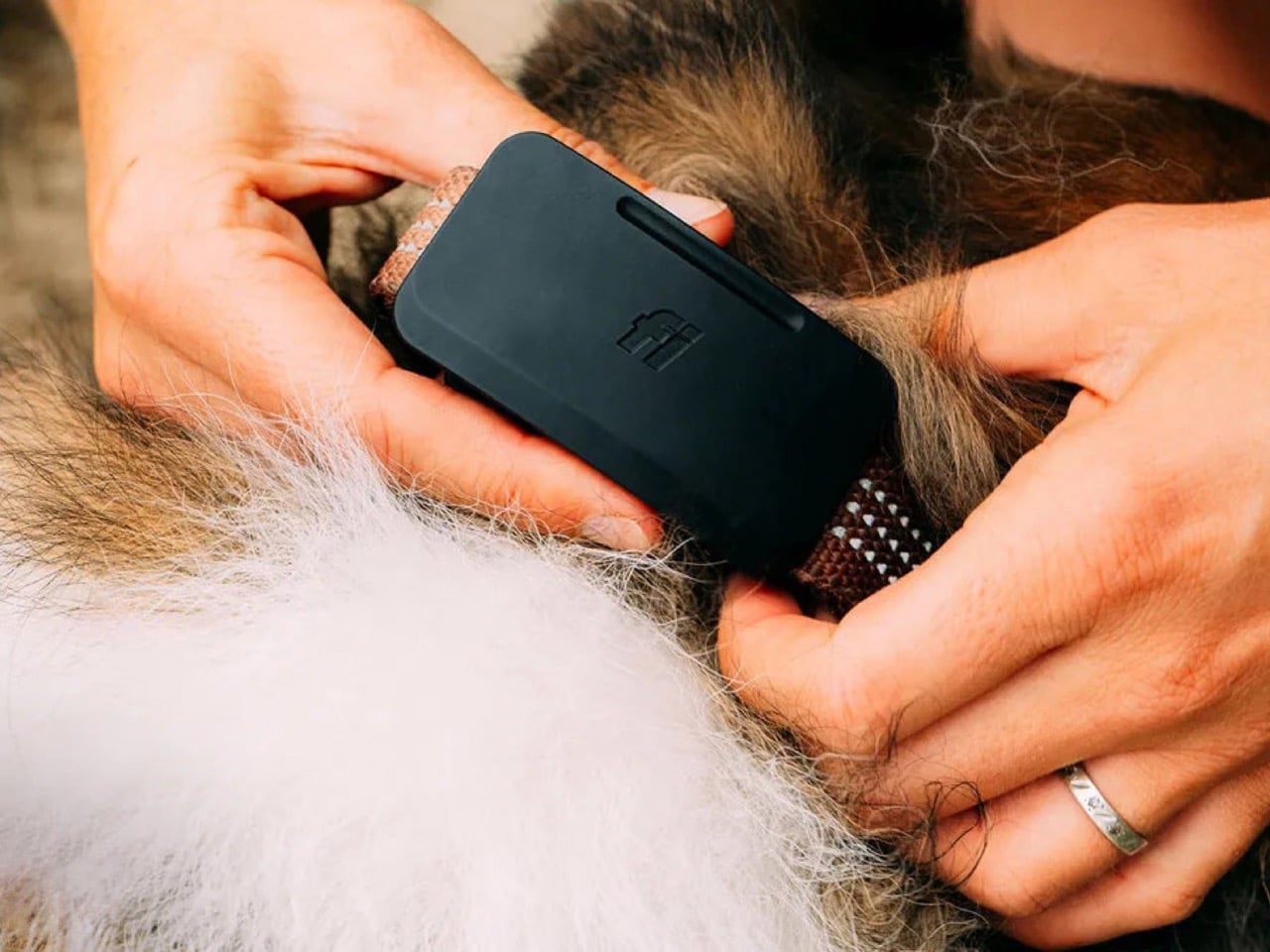
An Apple AirTag runs for a year on its coin cell battery, and Fi’s own Fi 3+ lasts up to three months, but Fi Ultra is rated for only several days between charges. That is a steep drop, and it says something about how much energy satellite radios actually demand compared to the low power Bluetooth chips inside most trackers. Fi is betting that owners in genuinely remote areas will accept more frequent charging in exchange for a tracker that never goes dark, which is a reasonable bet for search and rescue dogs, hunting companions, and anyone hiking well outside cell coverage. It is a much harder sell for a dog that mostly patrols a suburban backyard.
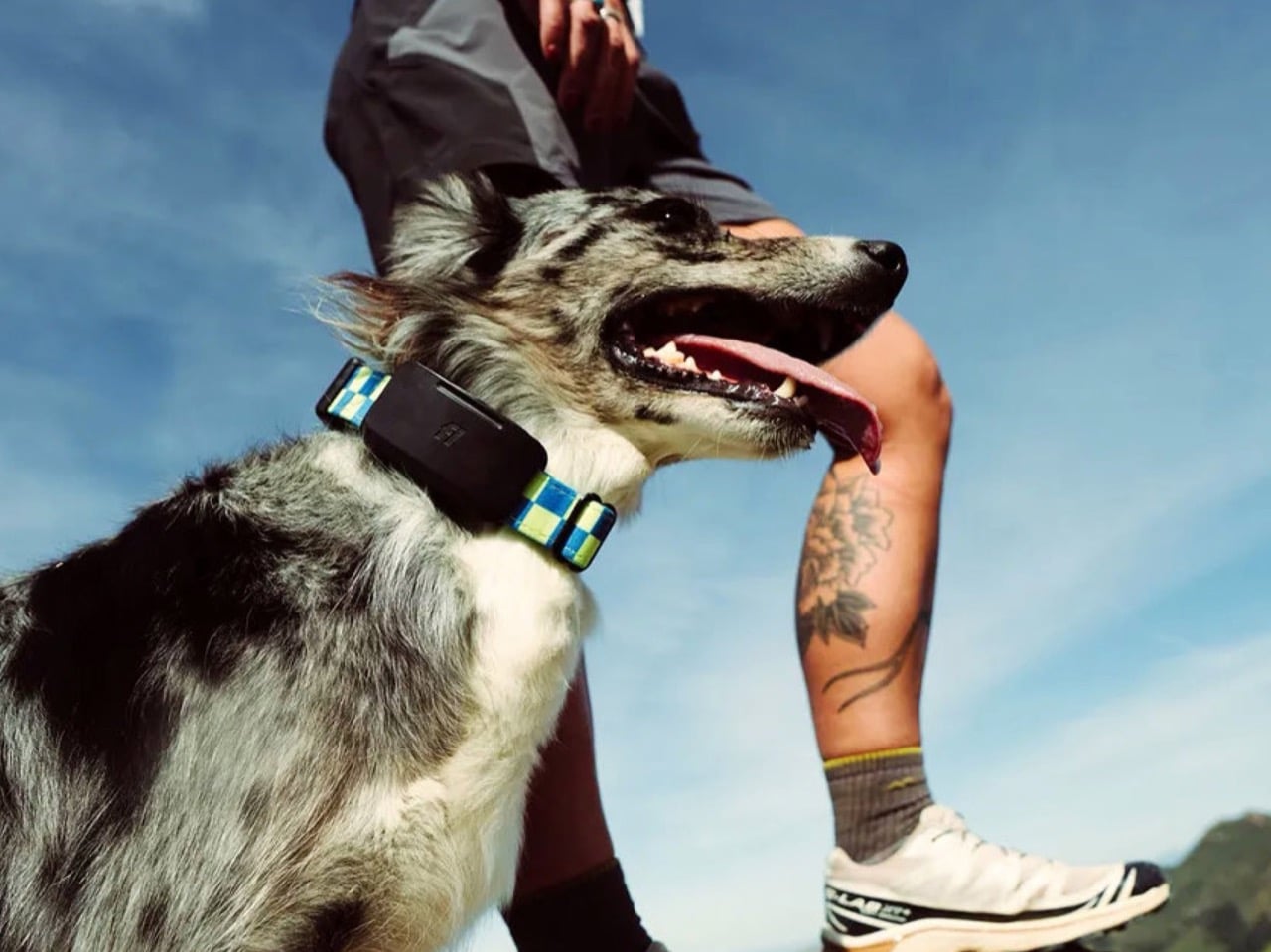
Fi Ultra also carries over Fi Callback, a feature that lets owners send sound and vibration cues through the smartphone app to recall a dog from a distance, alongside standard support for both collar and harness mounting. None of that is revolutionary on its own. What makes Fi Ultra worth watching is the precedent it sets. Satellite hardware has spent years shrinking from ships and expedition gear down to phones, and now down to a dog collar. The next logical step is livestock tags, wildlife collars, and eventually anything small enough to wear that still needs to be found. Fi just got there first.
The post first appeared on .
Related Posts