The way we design for care must be uprooted. Changing needs, new technology and updated models of delivery mean that it’s time to pivot to a model of people-centric care driven by human impact and behaviour.
The toll of the system we have.
As it is today, hospitalisation demonstrably exacerbates patients’ emotions and increases feelings of depression and anxiety, impacting their ability to cope and adjust. This stress is also felt by families and carers, who report higher levels of anxiety, social isolation, and fatigue. Bullying, discrimination, and burnout is rampant for healthcare professionals, and deeply detrimental to mental health, decision-making and staff retention.
This toll is even more damaging for First Nations people, with statistics on bullying, feeling respected and presenting to hospital at all indicating a deeply concerning lack of cultural safety in our health system.
Related:
Design’s impact
Design impacts healthcare because it influences behaviour. Though change requires input industry-wide, a designer’s role is to create spaces that deeply consider their influence on personal and . Emphasis on the individual, customisation and comfort sets people-centric care apart as the next step in healthcare design, impacting behaviour for the better.
The people-centric precincts we need
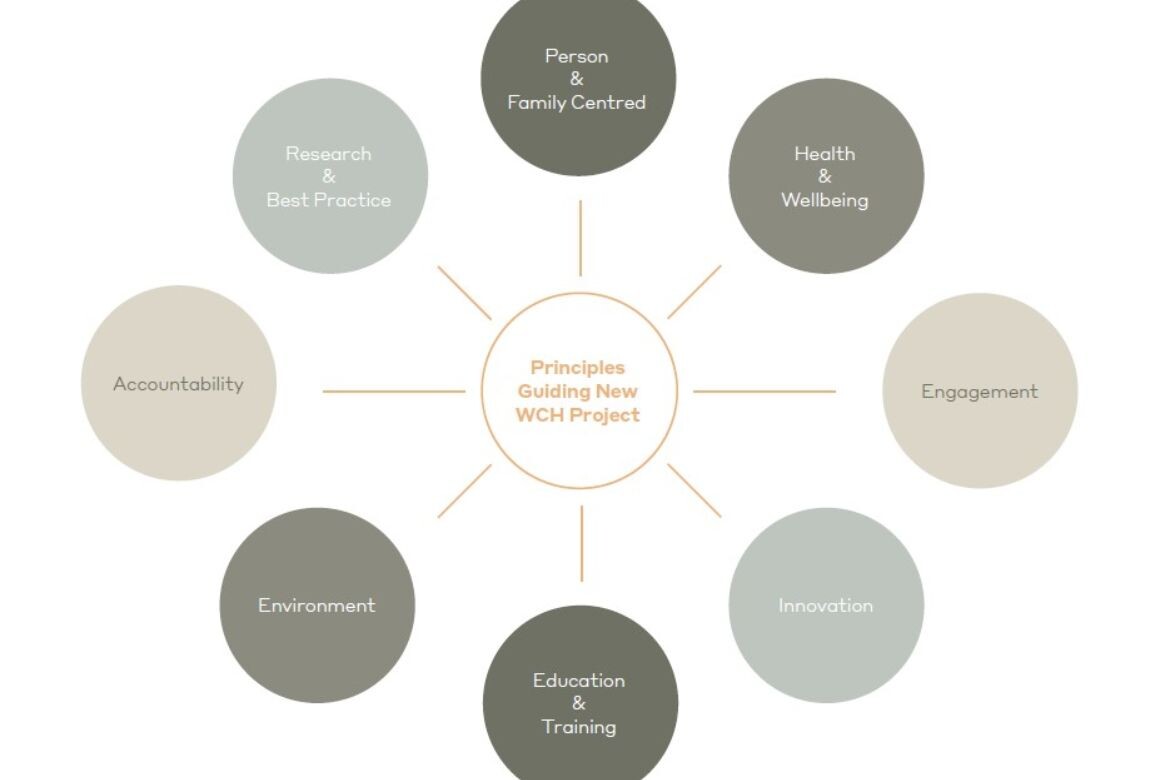
Healthcare spaces developed around people-centric care improve lives by dissolving barriers between people, disciplines, facilities, spaces, and cities to create people-centric precincts that foster social and psychological wellbeing alongside physical recovery.

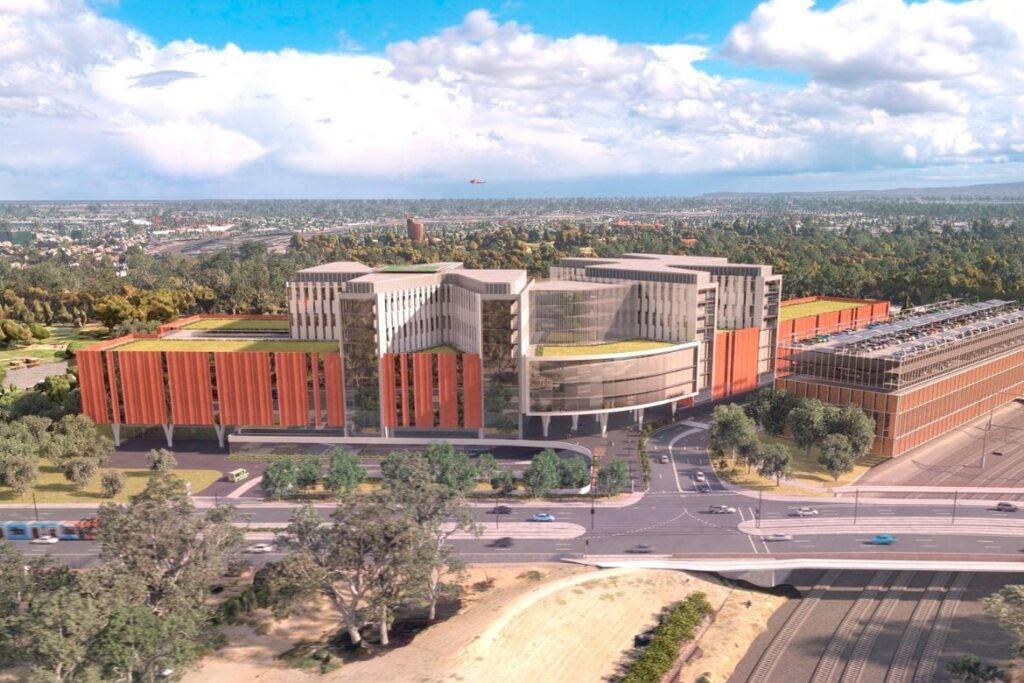
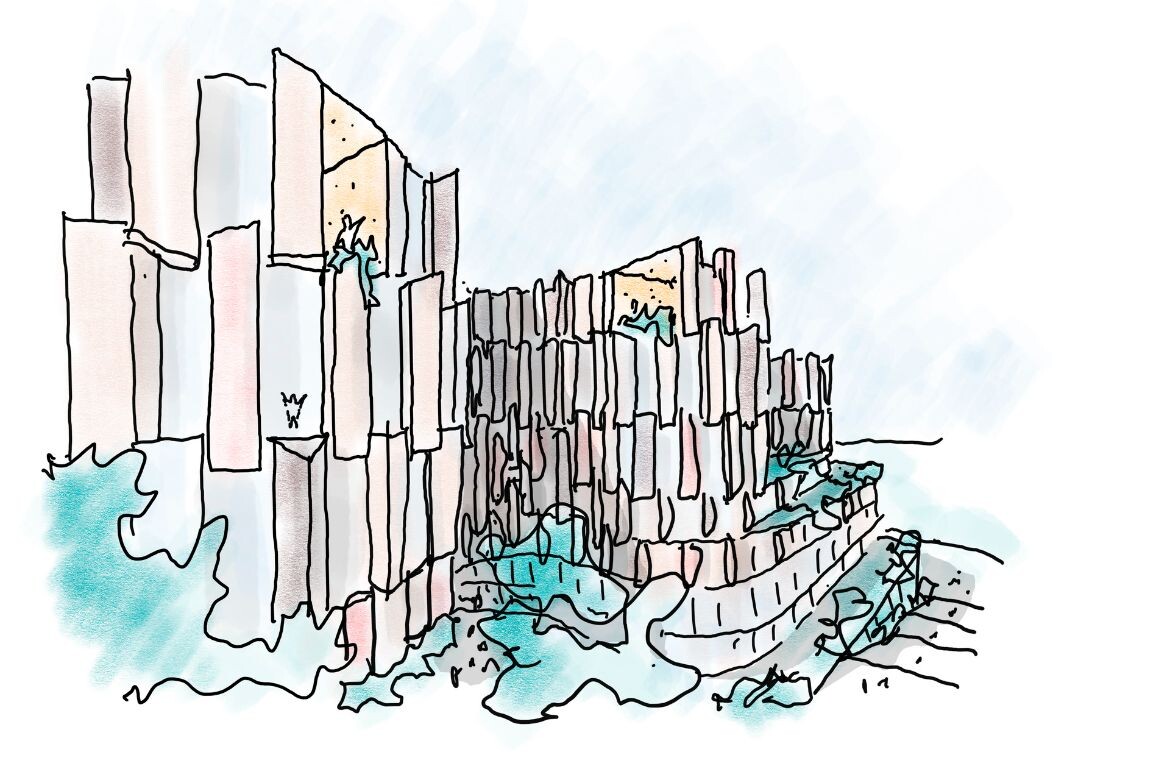
Located near the Royal Adelaide Hospital and Adelaide BioMed City, the New WCH maximises the existing precinct’s potential by strengthening connections between buildings. This cross-locational care means patients and their carers can move around the precinct to access specialist care and research, while staff benefit from closer connection to tertiary and quaternary services.
Keenly interconnected with Adelaide itself, New WCH sits at the intersection of Karrawirra Pari (River Torrens), the city and the Park Lands. The building links with the CBD’s grid, integrates with public transport, and improves access to the nearby Park Lands. Connection to nature pays respect to Aboriginal connection to Country, improving everyone’s experience through physical links to and views of Tulya Wardli (Bonython Park) and Karrawirra Parri while a new playground creates more green space to rest, wait and recover in.
Ecosystem trumps system
Taking a people-centric design approach means reframing healthcare as an ecosystem in which patients, professionals, students, families, and the community work together. When place is understood to impact outcomes as much as people, emotions and behaviour improve. Connection to nature, daylight, art and symbolic or spiritual objects alongside considered lighting, wayfinding, access, and environmental control alleviate the higher levels of anxiety and fatigue felt by all users.
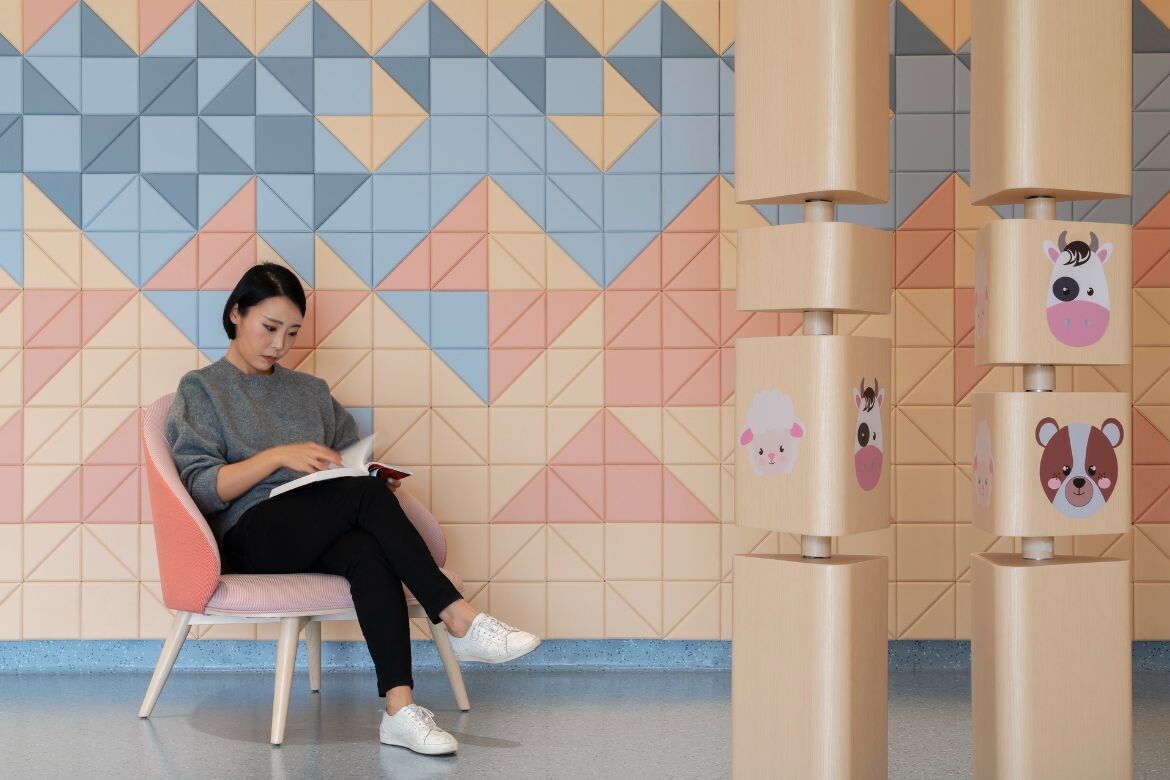
At Xian Angel Paediatric Hospital, colours, shapes, and textures are used to create positive distraction for worried children, families, and carers. Gentle, easy to navigate and full of natural light, these spaces feel playful – inviting users to move and explore much more than traditional waiting rooms. These small, people-centric design choices help alleviate the unavoidable strains of the hospital experience.
Communities of care
People-centric design benefits the entire community. By appreciating a place’s cultural heritage, demographics, landscape and culture, a health precinct can leverage site and surrounds to become deeply embedded into their communities as places of sanctuary, growth, inclusion, and opportunity.
Located on the banks of the Clarence Valley River in New South Wales, Grafton Base Hospital required a masterplan that allowed it to provide healthcare, professional education, and key worker accommodation. Located in a flood zone, it needed to function independently if it became waterlocked. This meant that the project needed to be self-sufficient as well as highly accessible to the community in a crisis. Ultimately, the design team approached the project in the same way they’d approach the design of an island village.
A village needs a strong and healthy community, so Grafton Base Hospital extended its roots. By fostering partnerships with regional industry and existing healthcare facilities, the masterplan provides the community with opportunities for education, research, and employment. The is easy to find, straightforward to navigate, and has plenty of shelter from the sub-tropical Grafton climate – meaning this “hospital in the park” is as much a civic gesture as it is an evolving precinct.

We find Grafton Base Hospital at the nexus of the Bundjalung, Gumbaynggirr and Yaegl nations, all of which have distinct Dreaming, language, and cultural protocol. Across a series of workshops with Aboriginal knowledge holders, designers were able to learn about the lands’ stories and significance. These walks on country taught the team how art, native flora, cultural medicine, connection to the water and space for ceremony could be integrated to serve the areas’ unique population.
Un-stick the system
Our healthcare system needs healing itself, and the medicine lies in an empathetic approach. Hospitals are some of the most direct examples of design’s impact on communities across generations, so people-centric care is an approach that is not only smart, but necessary.

Edwina Bennett has over 25 years of industry experience and expertise in Australia and overseas across a diverse range of sectors including health and life sciences, education, defence, commercial, hospitality, commercial fitouts, and large-scale residential developments. She is currently the regional management stream leader for Woods Bagot, Australia and New Zealand.
Woods Bagot
The post appeared first on .
Related Posts