Fifteen years. That’s how long iPad users have endured the awkward, blown-up iPhone version of Instagram, pinching and zooming through pixelated posts while watching the device that practically invented modern tablets get ignored by one of the world’s biggest social platforms. What makes a company overlook the device that defined mobile computing’s future? The answer reveals everything about how tech companies really prioritize design decisions.
Designers: Meta + Apple
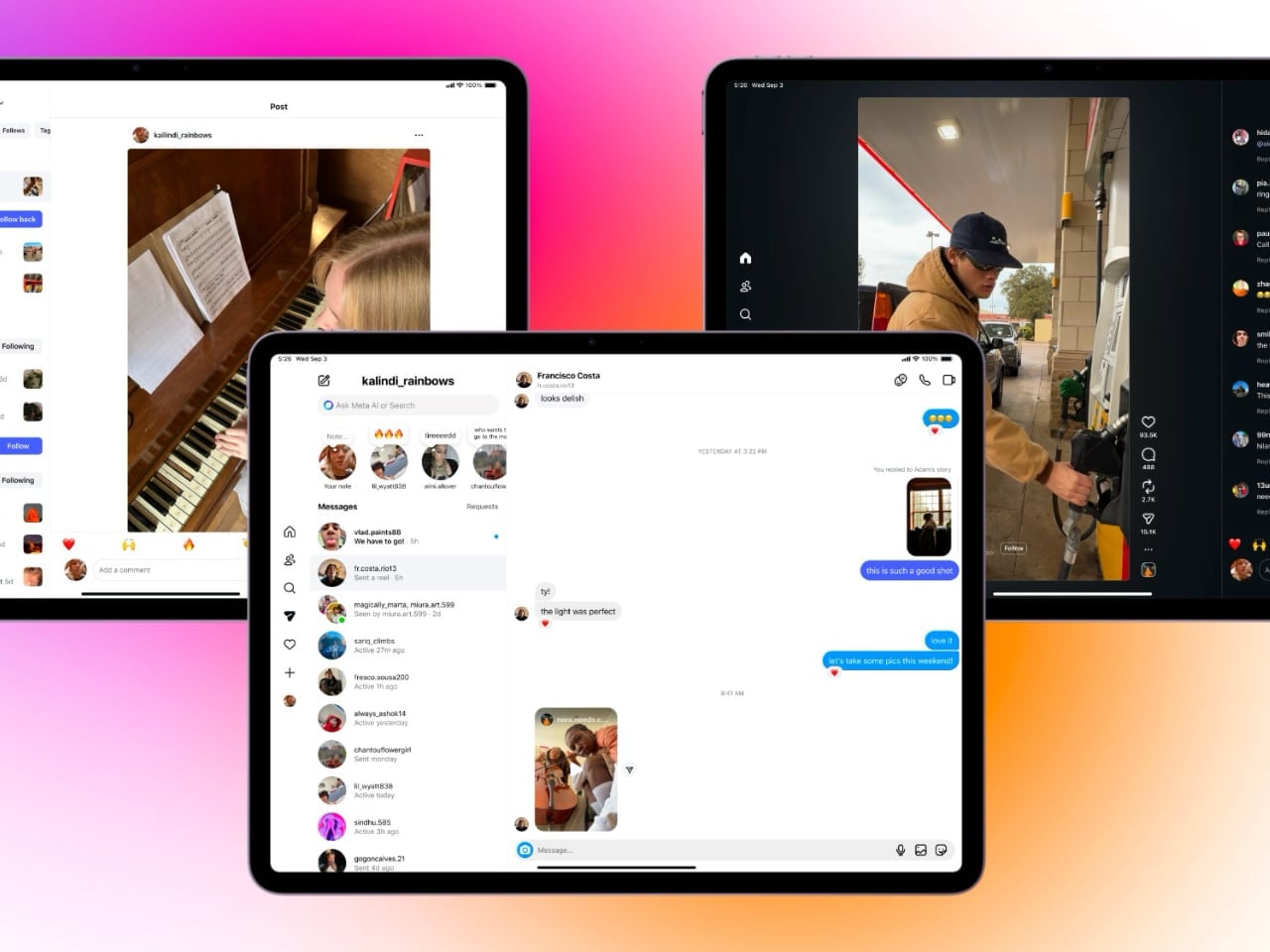
Meta finally released Instagram’s native iPad app, but this represents far more than a belated platform expansion. The app’s interface decisions demonstrate a fundamental shift in how social platforms approach large-screen experiences. Instead of simply scaling up phone interfaces, Instagram reimagined content consumption for tablets in ways that could reshape how we interact with visual media across all screen sizes.
Why Fifteen Years of Waiting Actually Makes Design Sense
The delay stemmed from a deeper design philosophy question rather than technical incompetence or corporate spite. How do you translate an intimate, personal sharing experience to a device that encourages collaborative and communal viewing? Phones promote private, immediate consumption. Tablets invite sharing, discussion, and extended engagement periods with multiple people gathered around the screen.

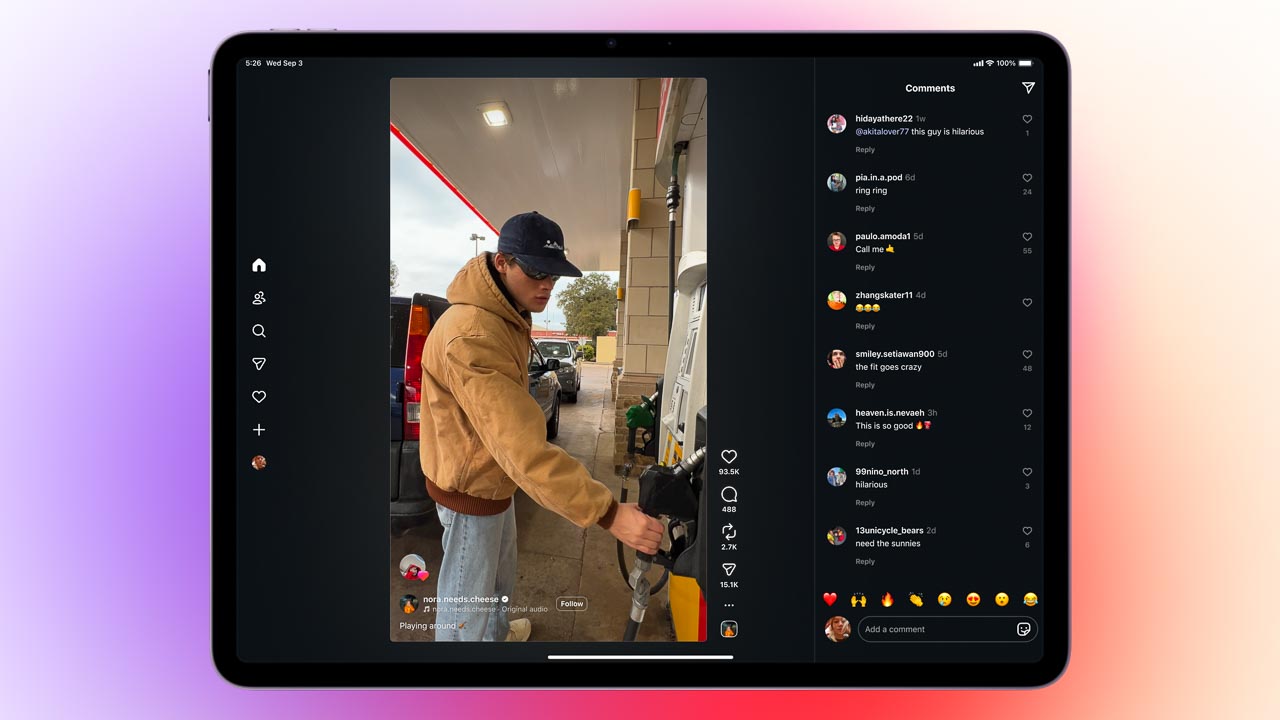
This fundamental difference explains Instagram’s decision to launch directly into Reels rather than the traditional feed. Watching short-form videos feels natural on larger screens, mimicking the lean-back experience of television while maintaining social media’s interactive elements.
The interface reorganization extends beyond simple scaling. Stories appear above Reels rather than above the feed, acknowledging that tablet users consume content differently than phone users. The larger screen real estate enables simultaneous content viewing and interaction, with comments displaying alongside videos rather than overlaying them. These design choices recognize that tablet usage patterns differ fundamentally from mobile phone behaviors.
How Design Thinking Shaped Every Interface Decision
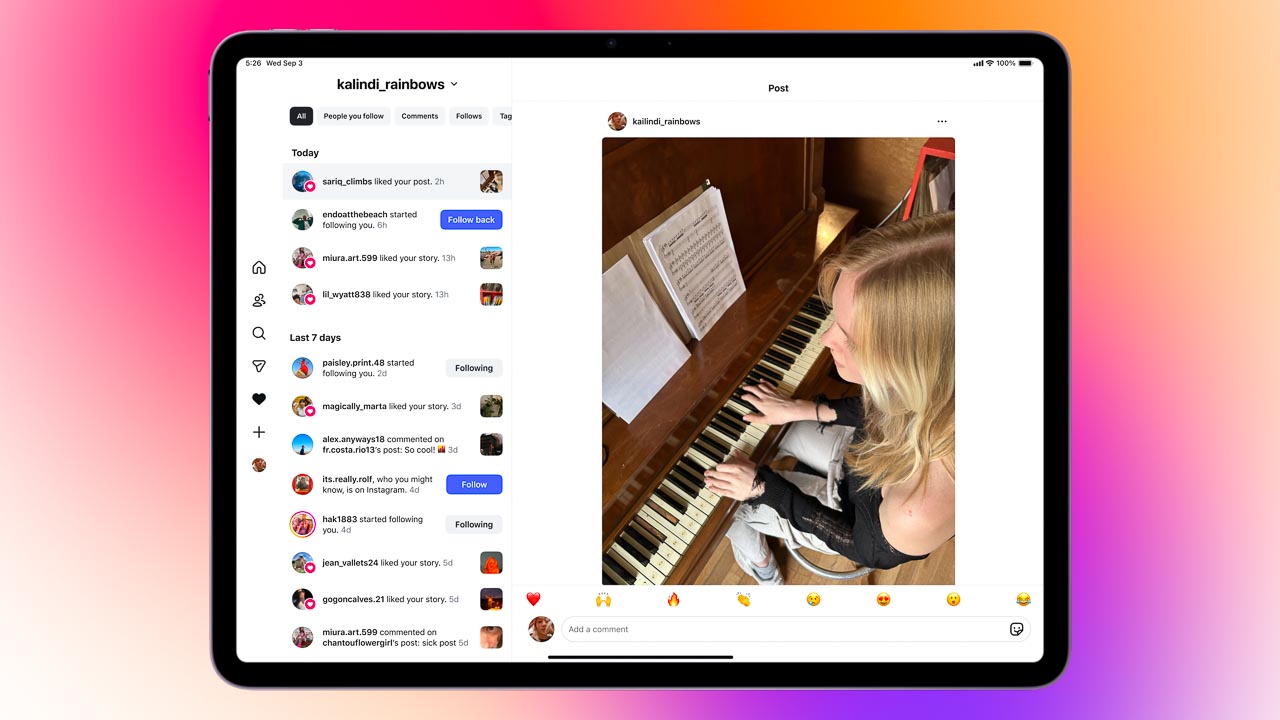
Instagram’s iPad app demonstrates sophisticated understanding of spatial design principles that go beyond responsive layouts. The new “Following” tab introduces three distinct content filters that leverage the tablet’s expanded interface capabilities. “All” combines algorithmic recommendations with followed accounts, “Friends” shows mutual connections, and “Latest” provides chronological ordering.
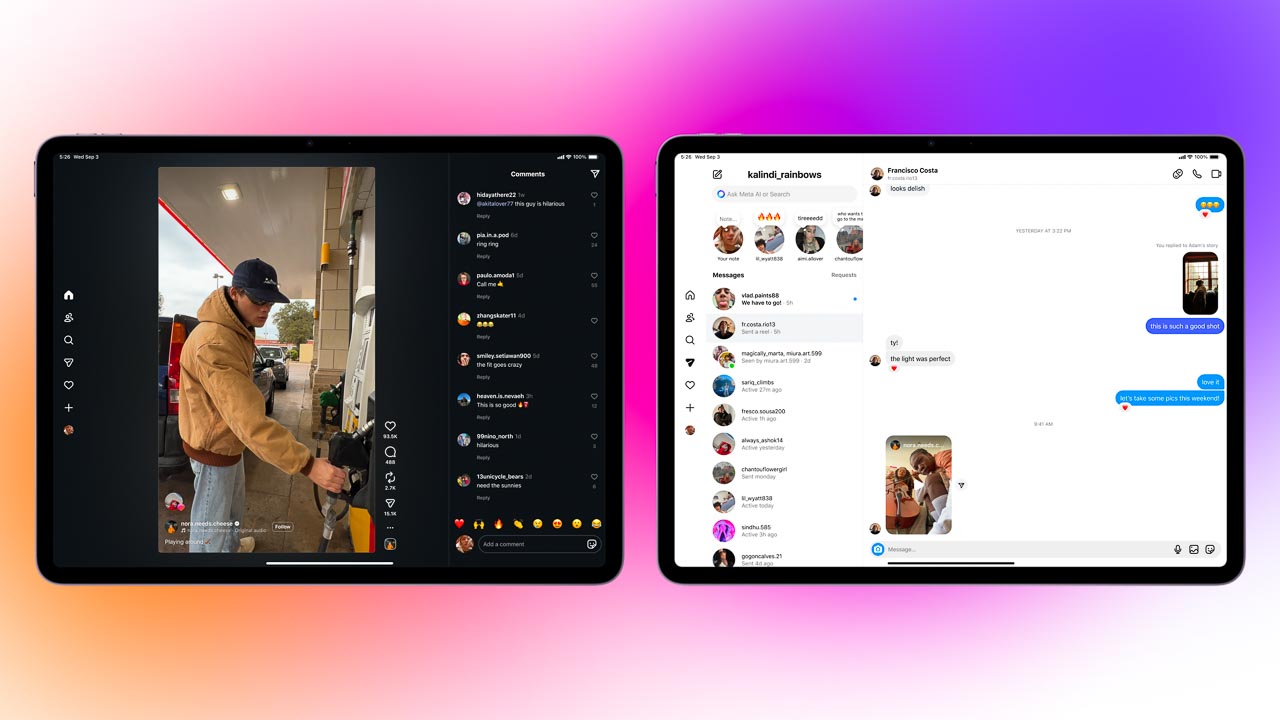
The messaging integration exemplifies thoughtful multi-panel design that treats tablets as distinct computing devices rather than oversized phones. Users can view their conversation list while simultaneously engaging in specific chats, similar to desktop email clients.
What This Reveals About Platform Strategy Evolution
Instagram’s tablet strategy illuminates broader shifts in social media design philosophy that extend beyond feature additions. The app’s video-first approach reflects TikTok’s influence on content consumption patterns across all platforms. By launching directly into Reels, Instagram acknowledges that short-form video has become the dominant social media format regardless of device type.
The timing coincides with increasing recognition that tablets deserve platform-specific consideration rather than afterthought adaptations. The company spent considerable development resources creating interface paradigms that work specifically for larger screens, suggesting confidence that tablet usage will continue growing rather than declining.
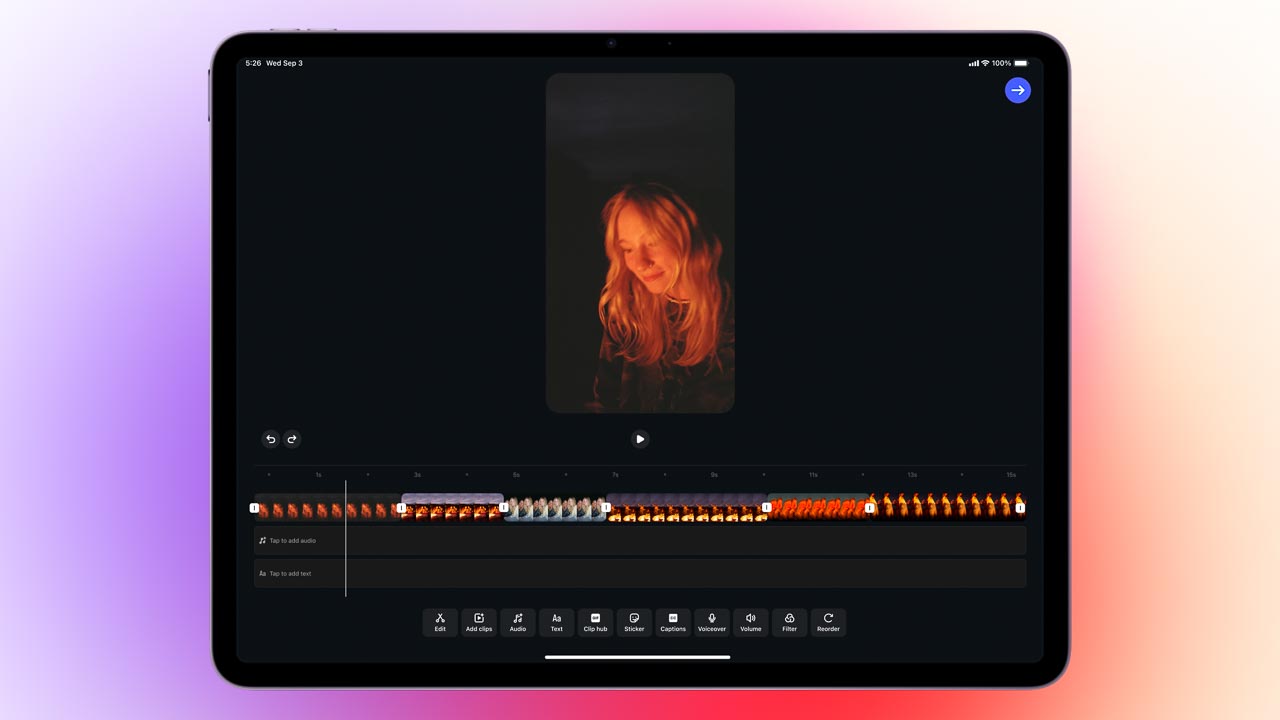
Multi-device synchronization capabilities suggest Instagram envisions tablets as complement devices rather than phone replacements. Users can start content creation on phones and finish on tablets, or begin conversations on tablets and continue on phones. This ecosystem approach positions Instagram as a platform that works seamlessly across device categories rather than favoring mobile-first design.
The keyboard and trackpad support reflects deeper consideration of how people actually use tablets in various contexts. Whether propped on a desk, held casually, or used with accessories, the app adapts to different input methods without compromising functionality.
What This Reveals About Design Innovation and Future Strategy
Instagram’s tablet strategy illuminates broader shifts in social media design philosophy. By launching directly into Reels, Instagram acknowledges that short-form video has become the dominant social media format regardless of device type.
The company spent considerable development resources creating interface paradigms that work specifically for larger screens. This suggests confidence that tablet usage will continue growing.
Multi-device synchronization capabilities suggest Instagram envisions tablets as complement devices rather than phone replacements. Users can start content creation on phones and finish on tablets.
The side-by-side comment display during video viewing could influence how other media platforms handle user engagement on larger screens. Professional content creators gain new tools for managing their Instagram presence through the improved interface design.
Instagram’s design choices validate tablets as distinct computing categories. The social media landscape increasingly recognizes that optimal user experiences require device-specific design thinking rather than universal approaches.
After fifteen years of waiting, iPad users finally have an Instagram experience designed specifically for their device category. More importantly, the app demonstrates that patient, thoughtful design can create experiences that feel both familiar and innovative. Sometimes the best technological advances come not from rushing to market, but from understanding exactly what users need from their technology in different contexts.
The post first appeared on .
Related Posts