Scientists around the world have been taking cues from the best technologist – nature – to design robots that can be helpful for areas where humans cannot reach. Massachusetts Institute of Technology (MIT) seems to be at the forefront, where things are evolving at a rapid pace. Just back in February, the scientists at MIT showed that they had developed an insect-sized flying robot . The idea of a winged has been in development for a while.
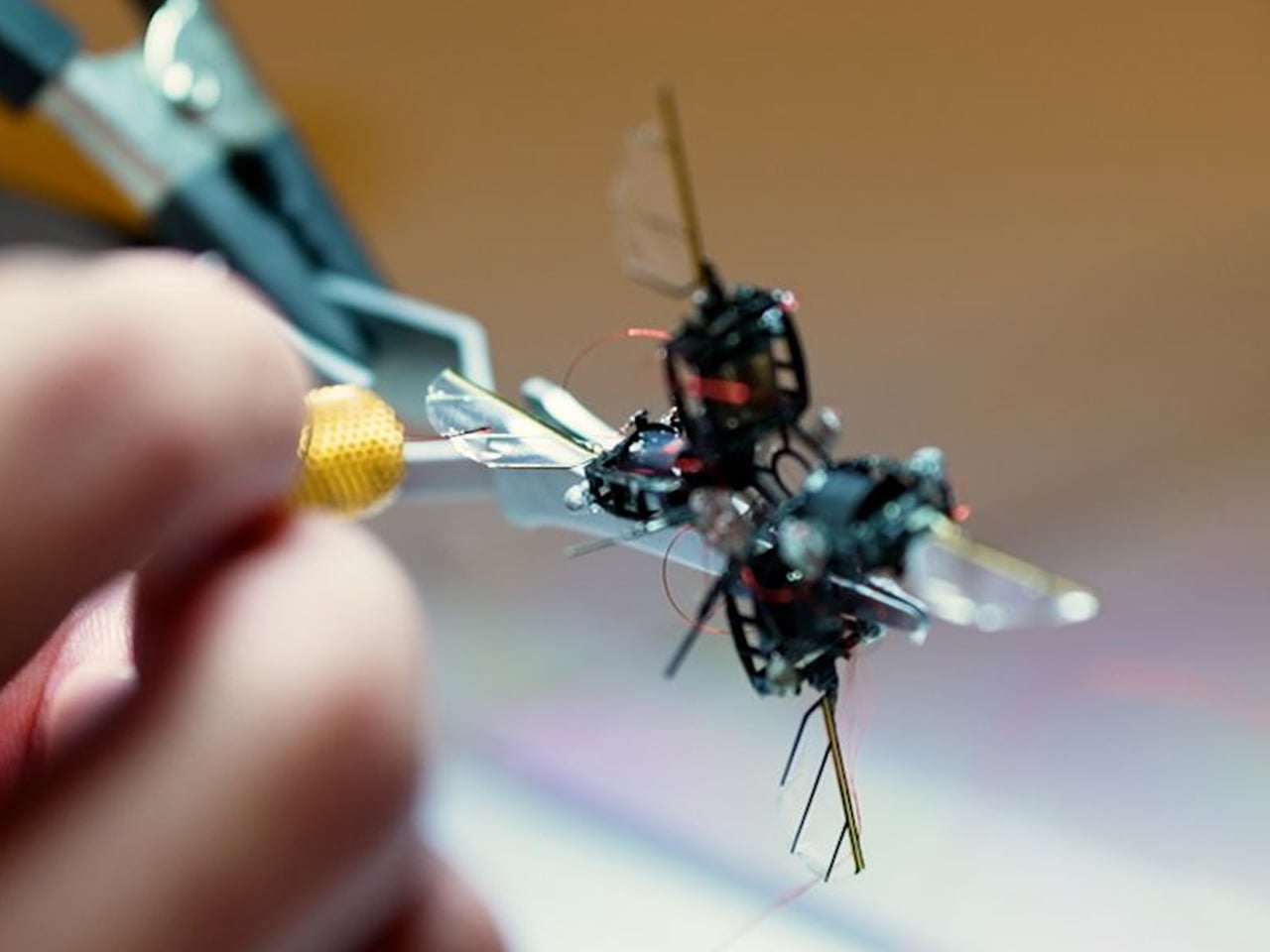
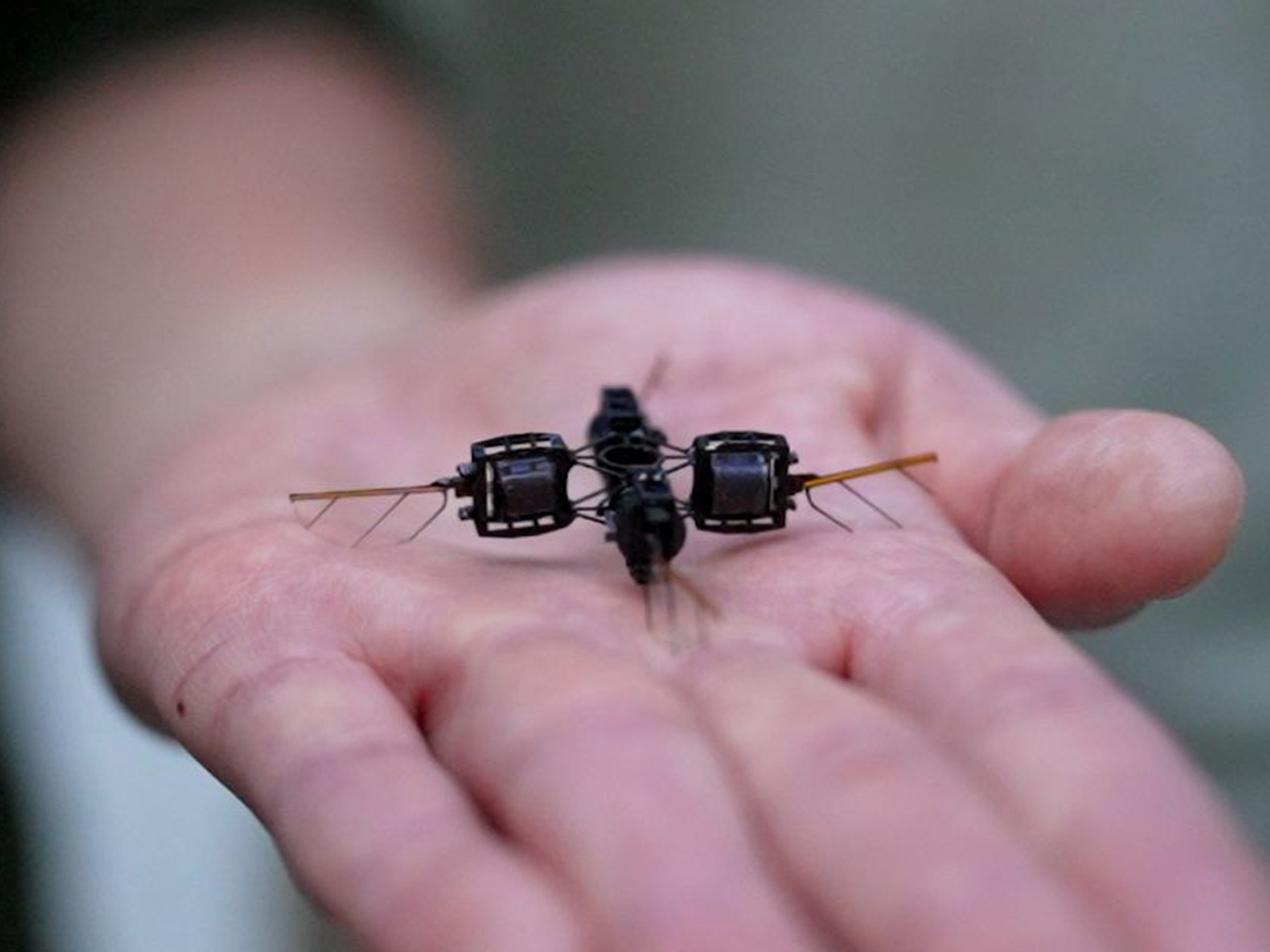
Now, in the evolutionary journey, MIT scientists have created a bee-like robot. It is currently under development. When fully developed, it will become part of a fleet of robots that can crawl, fly, and hop around, fulfilling their distinctive roles and purposes on Earth and even in extraterrestrial environments.
Designer:
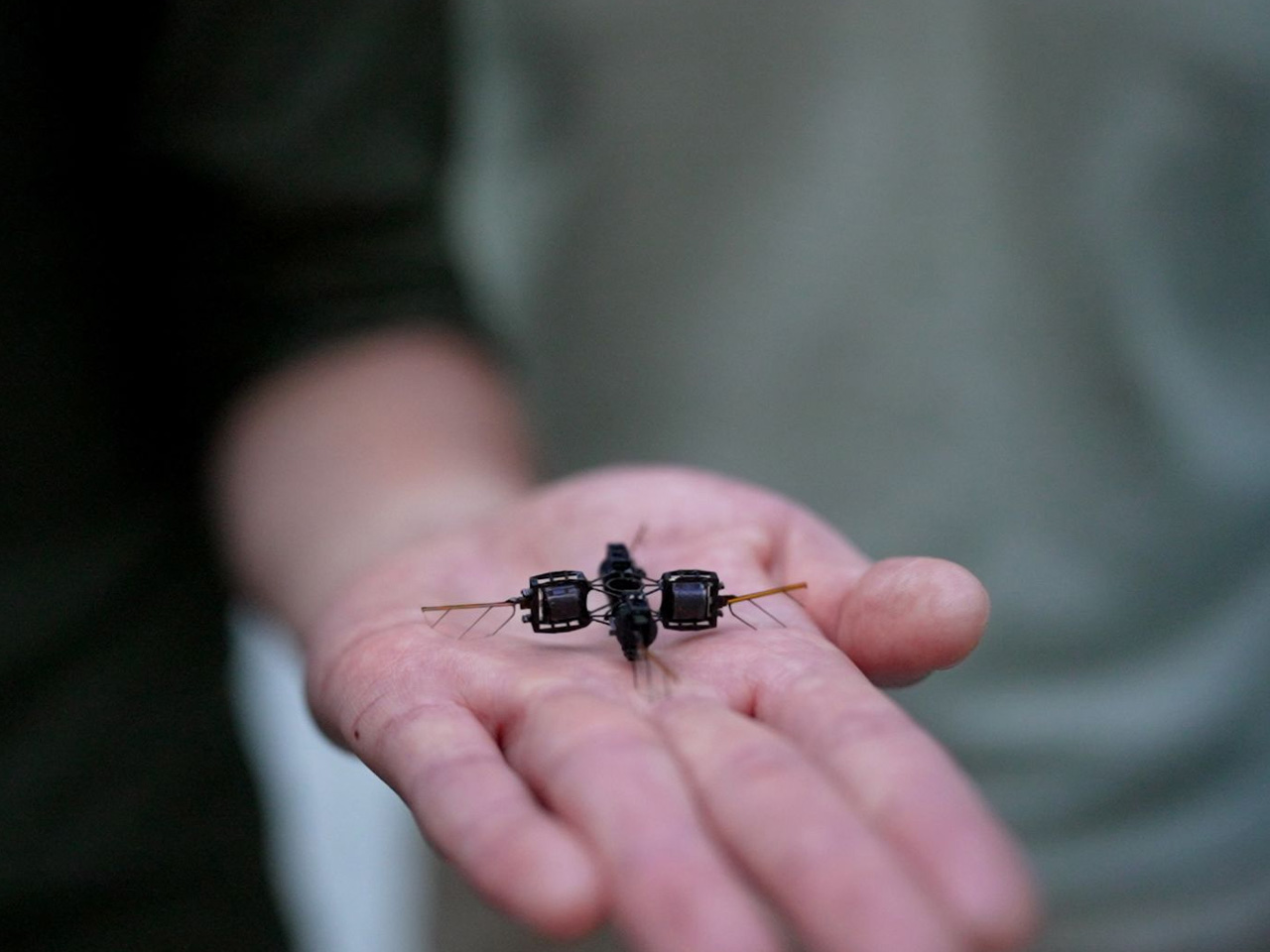
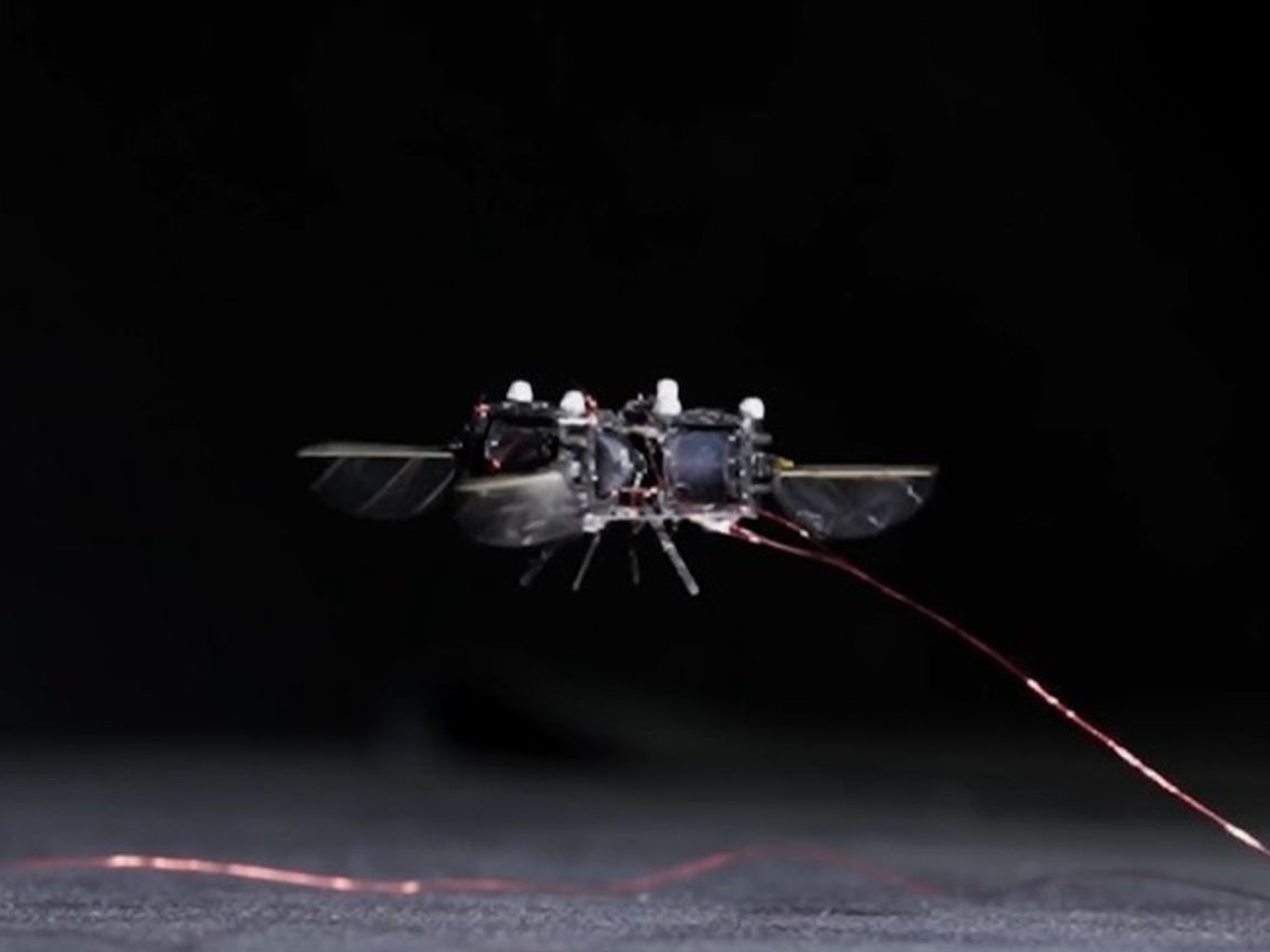
The robotic bee weighs even less than the weight of a paperclip. A standard-sized metal paperclip weighs about 1g, for perspective; the bee weighs even less. But that does not impede its ability; in fact, it is idealized to be that small. The bee, despite its size, can flap its wings up to 400 times in a second. This flap speed allows it to achieve a maximum speed of two meters per second (i.e., 6.5 feet per second).
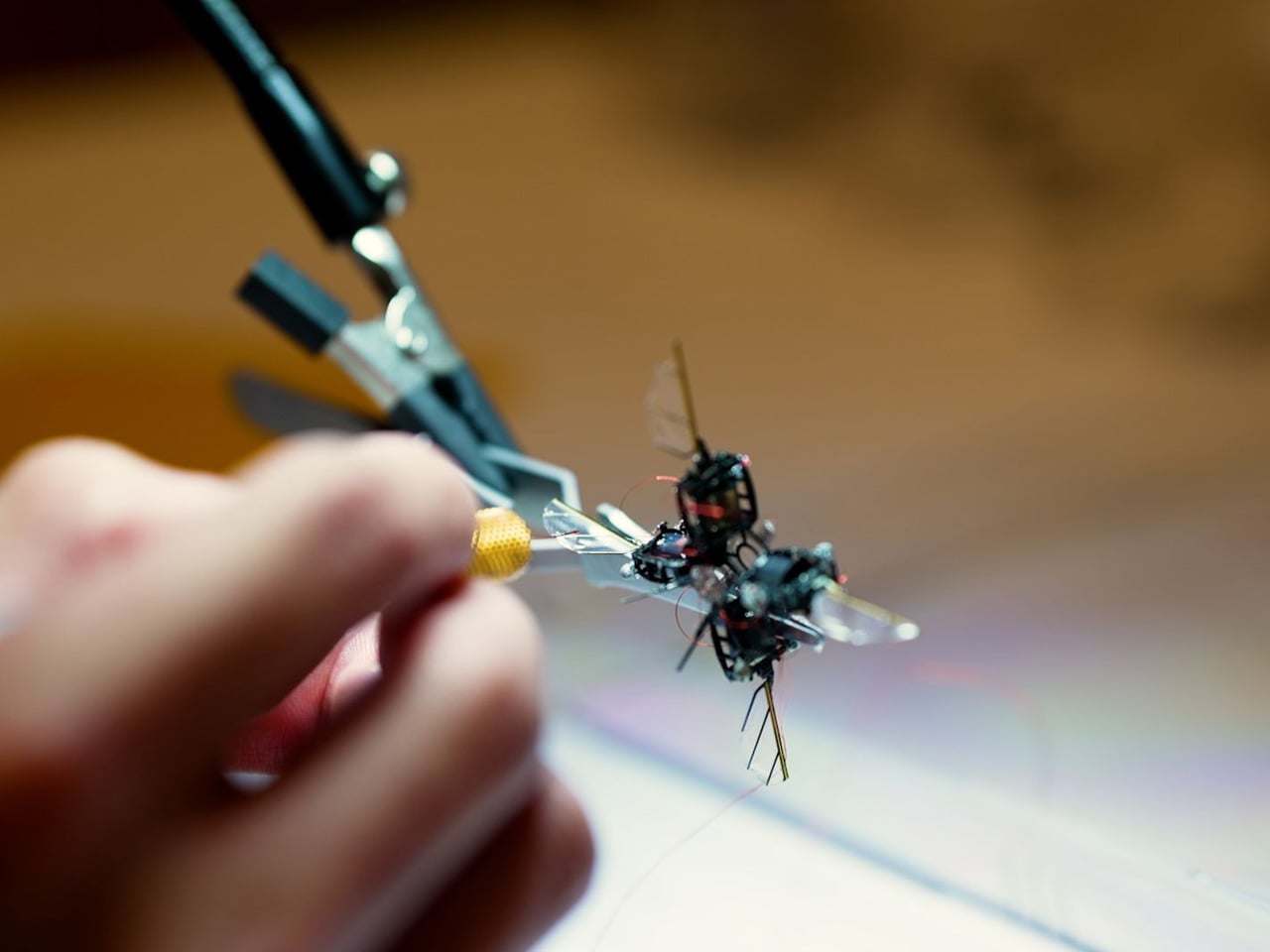
According to a fourth-year PhD student, Yi-Hsuan “Nemo” Hsiao, who is working on the bee robot, “We’re just trying to mimic these amazing maneuvers that bumblebees can achieve.” The idea may seem otherwise, but associate professor at MIT’s robotic lab, Kevin Chen, says that the idea of creating the robotic bee is not to replace bees in our environment but to have a bee-mimicking robot that can work in scenarios and emergency conditions where even the mechanical insect cannot.
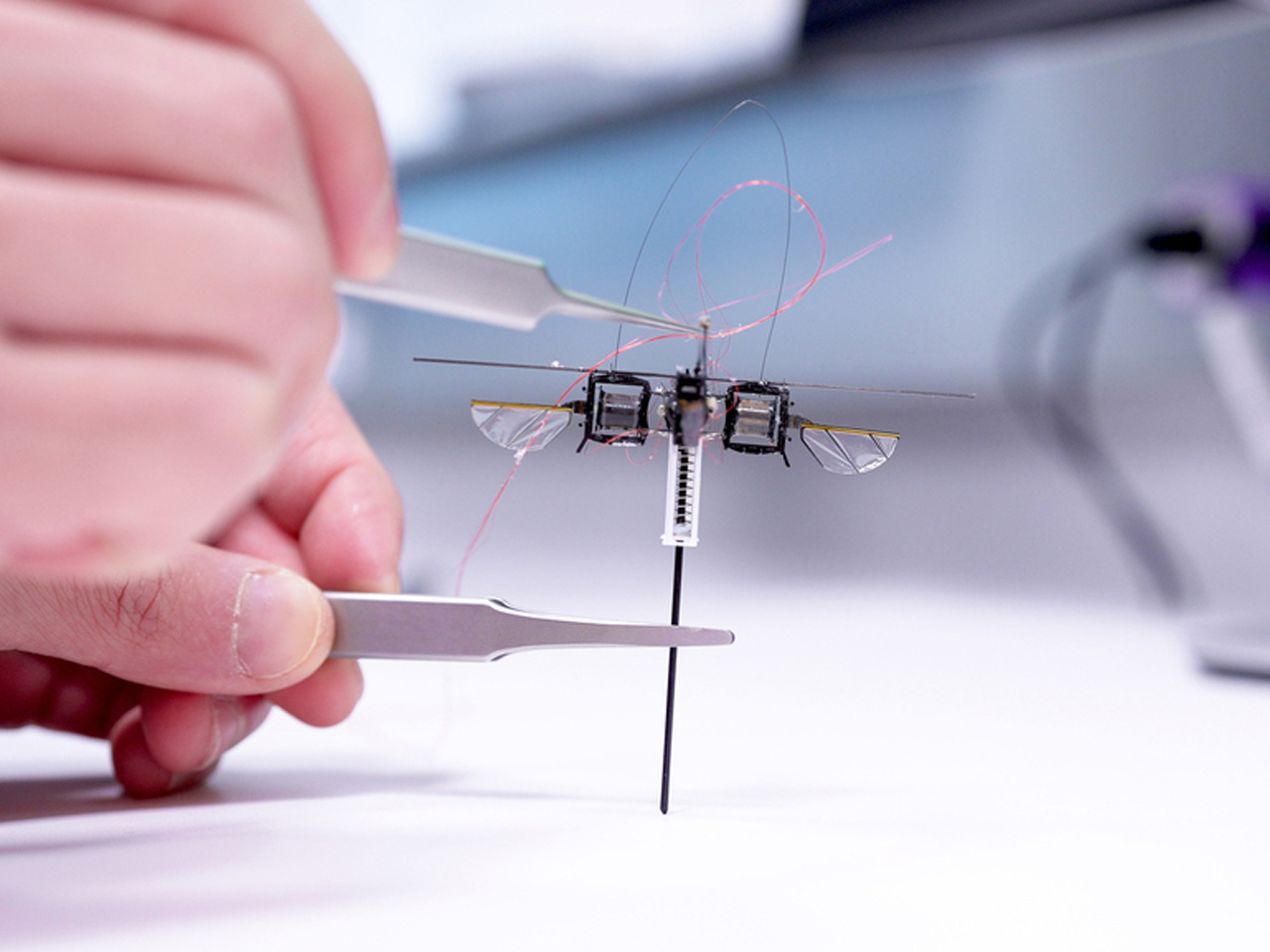
While it flaps its wings using soft muscles that contract and elongate, the bee can also flip and hover. As iterated, it’s not an alternative option to bees, but the robotic bee, the researchers believe, should be able to someday become a successful artificial pollinator. If that’s possible, it could open up so many scenarios of where bees could pollinate, irrespective of the environment being congenial for bees in nature. This team thinks this could hold potential in ‘warehouse farms with rows of crops stacked high and ultraviolet lighting.’ “If you’re going to grow something on Mars, you probably don’t want to bring a lot of natural insects to do the pollination,” says Hsiao. Since that’s impossible, the lab-grown bees could potentially do that job on other planets.
The MIT team of scientists is also creating a grasshopper-like robot, which is said to be smaller than the size of a human thumb. It can hop 20 cm (at a lateral speed of approximately 30 cm per second) into the air on all kinds of surfaces, including grass or ice, being potentially lightweight, even on a leaf. The grasshopper robot is also capable of hovering like a drone at almost 60 percent less energy than the flying robots of its kind. The robots the size of a bee and a grasshopper, scientists believe, can also be helpful in rescue missions during earthquakes or inside of pipelines, where larger counterparts cannot be or reach.
The post first appeared on .
Related Posts